Congo refugees flee to burundi
Thousands escape renewed m23 fighting near Uvira
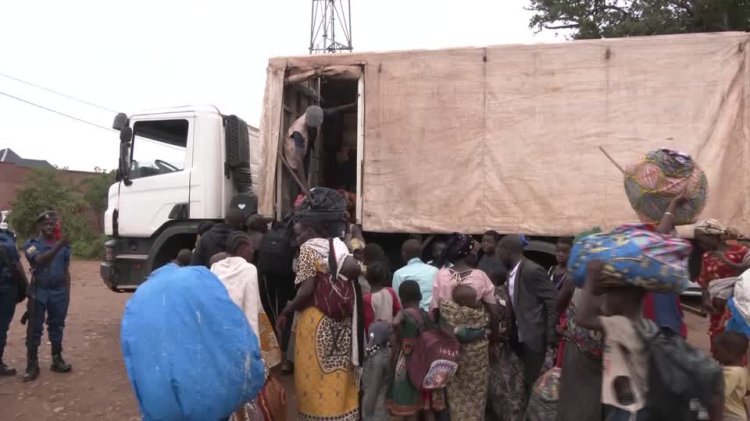
Hundreds of Congolese civilians have poured into Burundi after renewed fighting around Uvira in eastern Democratic Republic of Congo, where Rwandan-backed M23 rebels consolidated control of the strategic town. Families arriving at makeshift reception sites near the border described chaotic flight—some pushed livestock, many carried only the clothes on their backs, and several had walked for days. Aid workers and local authorities said shelters quickly overflowed and basic services collapsed, leaving refugees without sufficient food, water or sanitation.
At a provisional camp in Gatumba, exhausted arrivals reported dire hygienic conditions and a lack of drinking water; human waste was visible in nearby bushes, refugees said, heightening the risk of disease. Sporadic gunfire was still heard on Uvira’s outskirts as people continued crossing the Rusizi River into Burundi. Burundi’s National Office for the Protection of Refugees and Stateless Persons (ONPRA) has registered about 20,001 people so far but warned many more remain uncounted and existing resources are overwhelmed. The World Food Programme is providing support, but officials said few other organizations have yet deployed at scale.
Refugees described scenes of sudden clashes in Uvira that forced shops to close, roads to clog with fleeing civilians, hospitals to be overwhelmed and communications to be disrupted. The fall of Uvira is seen by analysts as a significant gain for M23 because of the town’s strategic position on the northern tip of Lake Tanganyika—acting as a gateway for trade and military movement between South Kivu and Burundi. Congolese authorities accused the rebels of escalating the conflict and undermining peace efforts, while the M23 framed its actions as protective of local populations, a claim rejected by the government.
Humanitarian agencies warned the displacement risks becoming a larger emergency: emergency shelters are already strained, food supplies are thin, sanitation conditions are deteriorating, and children and the elderly are especially vulnerable after days of travel without adequate supplies. Regional leaders have appealed for de-escalation and renewed dialogue, but previous ceasefires in eastern Congo have repeatedly collapsed. Aid officials said sustained international support will be needed if arrivals continue at the current pace, and warned the humanitarian toll is likely to rise without rapid containment of the fighting around Uvira.