

Smog blankets Delhi in winter spike
Air quality hits severe levels, triggering health alerts

A dense layer of smog severely reduced visibility across India’s capital, prompting health advisories and widespread disruption as air quality readings climbed into the “severe” range. Monitoring stations recorded particulate concentrations above 450 at several sites, the highest levels of the winter season and well beyond the “good” threshold below 50, officials said. The thick grey haze obscured landmarks and created an acrid smell that residents and visitors described as choking.
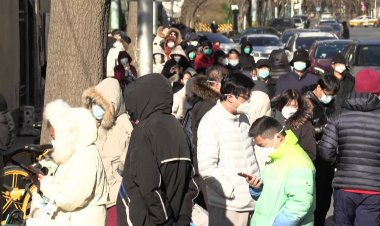
Hospitals and clinics reported an uptick in patients with breathing difficulties, eye irritation and persistent coughing, especially among children, the elderly and people with chronic respiratory or heart conditions. Medical professionals urged people to limit outdoor activity, wear protective masks and keep windows closed; schools curtailed outdoor sports in some districts and authorities recommended remote work to cut exposure and reduce traffic emissions.
Tourists described curtailed sightseeing as monuments like India Gate and parts of Old Delhi were partly shrouded in pollution. Some travelers shortened plans or sought indoor alternatives, while hotels logged more requests for air purifiers and medical assistance. Airport operations experienced minor disruptions because of reduced visibility.
Officials attributed the spike to a mix of vehicle emissions, industrial activity, construction dust and seasonal meteorological conditions—cold, dense air and low winds that trap pollutants near the surface. Agricultural crop residue burning in neighboring states further contributed to the deterioration despite ongoing attempts to limit the practice. As a response, authorities reinstated emergency measures from a graded action plan, including restrictions on construction and limits on truck traffic.
Environmental specialists cautioned that such short-term controls provide limited relief and emphasized the need for sustained regional efforts: cleaner transport, stricter industrial regulation and coordinated measures to reduce emissions. For the city’s roughly 30 million residents, the episode underscored a recurring winter crisis, with many voicing frustration over the absence of lasting solutions to chronic air pollution that endangers public health and diminishes quality of life.