

China expo highlights smart home tech
AI appliances and robots showcased in Shanghai
The Appliance & Electronics World Expo 2026 in Shanghai assembled major global manufacturers, tech companies and industry experts to display next-generation smart-home technologies and consumer electronics, with hundreds of exhibitors and thousands of visitors. Showcased products ranged from smart refrigerators with built-in screens and cameras to AI-driven washing machines, energy-efficient air conditioners, intelligent kitchen appliances and next-generation televisions. Many devices emphasized interoperability—remote control via mobile apps or voice assistants—and integration into connected home ecosystems to optimize energy use and simplify daily tasks.
Sustainability and energy efficiency were prominent themes, with manufacturers highlighting appliances that reduce electricity and water consumption while maintaining performance. Panels and industry forums examined trends such as the rapid expansion of artificial intelligence in consumer products, smart-city applications and the growing demand for automation and convenience in household equipment. Analysts said digitalization is reshaping the global home-appliance market as companies prioritize software-driven services, ecosystem compatibility and hardware improvements to meet rising consumer demand and regulatory pressure to cut carbon emissions.
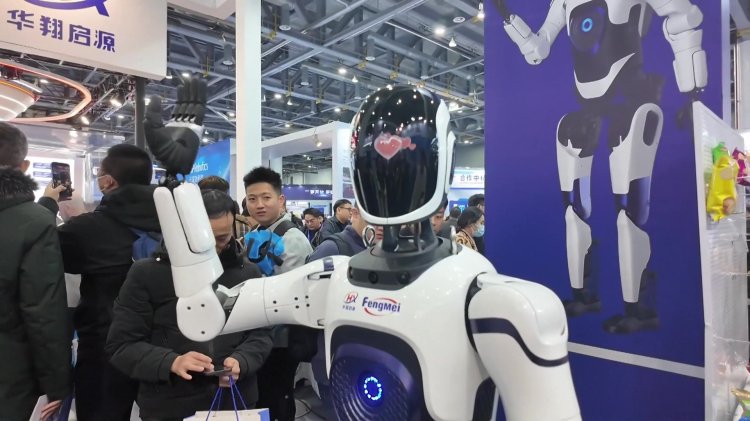
Separately, the 3rd China Embodied AI Robot Industry Conference and Expo in Hangzhou showcased advances in embodied AI and commercial robotics across service and industrial settings. Exhibits included a dexterous robotic hand capable of playing piano and performing household tasks, a health-screening robot that can complete more than 400 medical tests in a minute, and an industrial robotic dog designed for continuous inspections. The event underscored the sector’s rapid move toward large-scale commercial application.
A practical example of robotics in daily life was demonstrated in a Hangzhou community canteen, where two AI-powered cooking robots—priced at about 60,000 yuan each—now prepare roughly 80% of dishes. The robots precisely control seasonings by the gram, improving serving speed and delivering consistent, lighter-flavored meals across a diverse customer base from nearby industrial parks and the local community. Organizers and exhibitors framed both events as indicators of accelerating convergence between AI, connectivity and sustainability in consumer electronics, appliances and robotics, signaling notable shifts in product design, service delivery and commercial deployment.