Chileans elect leaders in Spain
The vote renewed diaspora leadership in Madrid
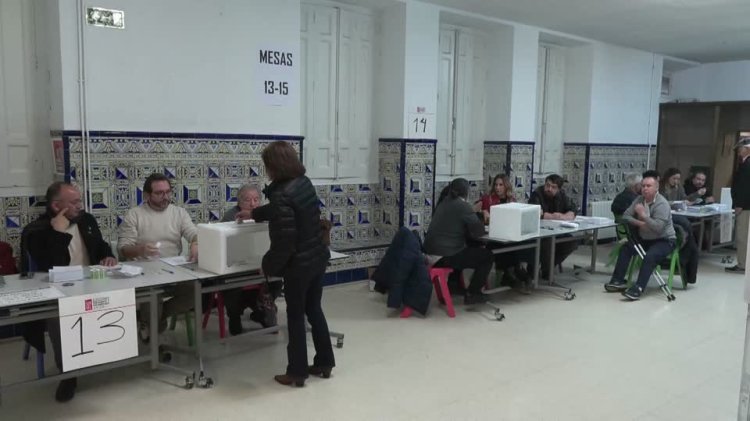
Thousands of Chilean expatriates in Spain voted to choose new leadership for their community organization in Madrid, a contest reflecting both desires for continuity and calls for change among the diaspora. Polling stations at the Chilean Cultural Centre and other venues saw improved turnout, driven by younger voters and recent arrivals mobilized through online outreach. Consular officials oversaw registration and voting; volunteers provided information in Spanish and Chilean vernacular while community groups offered food and music, giving the election a civic and social dimension.
Three candidates presented competing visions to expand support networks for Chileans abroad, proposing enhanced cultural programming, stronger ties with Spanish institutions to improve employment and legal assistance, and greater social integration for newcomers. Organizers said the vote aimed to renew leadership and strengthen ties among Chileans in the Madrid region; results will be announced at a formal ceremony later in the week, after which a new president and board will serve a two-year term prioritizing outreach, cultural activities and coordination with the Chilean consulate.
The local election unfolded against the backdrop of a polarizing presidential race at home that has pushed the national debate sharply between left and right. The first-round presidential vote produced a runoff between Jeannette Jara, a center-left candidate linked to the governing coalition and the Communist Party, and José Antonio Kast, a hard-right former lawmaker known for his law-and-order platform and conservative social views. Jara led the first round with roughly 27% of valid ballots while Kast secured about 24%, setting the stage for a decisive second-round contest.
Security, migration and public safety have emerged as dominant issues shaping voter preferences. Kast campaigned on stringent measures to curb illegal immigration, deport undocumented migrants and bolster border controls, framing the runoff as a pivotal choice between competing societal models. Jara emphasized social protections and economic measures — including a proposed “living” monthly income, minimum wage increases and infrastructure investment — while also pledging tougher actions on crime such as deporting foreigners convicted of trafficking and strengthening border controls.
Analysts expect both candidates to moderate their messages to capture centrist voters in the runoff. The consolidation of right-wing votes from eliminated contenders could benefit Kast, while Jara faces the task of allaying voter concerns about her Communist Party ties. The election reflects deeper national anxieties over crime, economic stagnation and the legacy of authoritarianism, even as Chile grapples with sluggish growth, rising unemployment and debates over the size and role of the state.