

Winter storm paralyzes much of the U.S.
Heavy snow, ice and winds disrupt travel and power
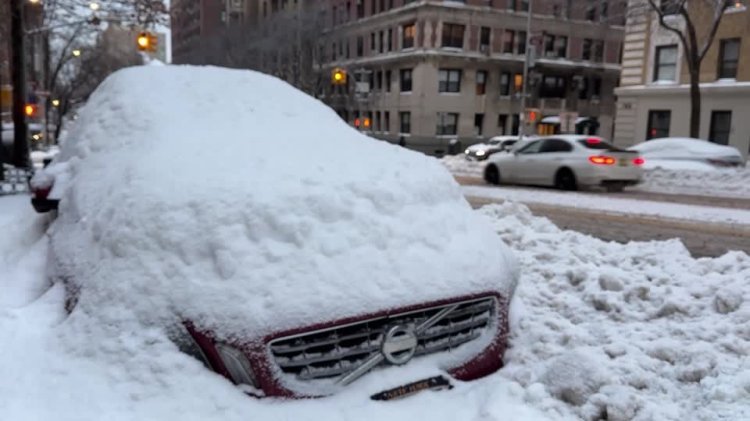
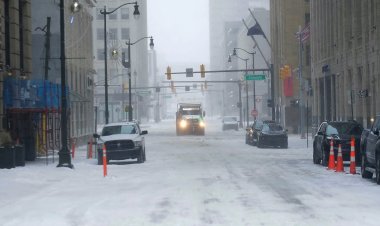
A powerful winter storm swept large swaths of the United States, dumping heavy snow, freezing rain and battering winds that disrupted travel, knocked out power and prompted emergency measures as millions faced hazardous conditions. The system, driven by an influx of Arctic air, affected regions from the Great Plains and Midwest to the Northeast, producing blizzard-like whiteouts in some areas and crippling ice storms in others.
Forecasters reported snowfall accumulations measured in tens of centimetres in several states, while ice coated roads, trees and power lines elsewhere. Reduced visibility and drifting snow led authorities to close highways and urge residents to stay home; wind gusts compounded hazards and contributed to numerous accidents and stranded vehicles. Airports nationwide cancelled and delayed thousands of flights as crews and aircraft were unable to reposition, and rail services were slowed or suspended where tracks and signalling were compromised.
Ice accumulation and strong winds caused widespread power outages, with utility companies reporting hundreds of thousands of customers affected at the storm’s peak. Crews struggled to restore service amid dangerous conditions, and some communities were warned outages could last days—raising concerns about heating as temperatures plunged well below freezing and wind chills increased the risk of frostbite and hypothermia. Emergency shelters opened in several cities to assist those without heat or stable housing.
State and local authorities declared emergencies in multiple jurisdictions to mobilise resources. Governors urged limited travel, checks on vulnerable neighbours and preparedness for prolonged disruption. Schools and government offices closed across wide areas, and many businesses shifted to remote work or shut temporarily. Snowplows and salt trucks operated continuously, but rapidly changing conditions—including black ice under fresh snow—made road clearance difficult.
Officials warned additional regions could still face heavy snow, ice and strong winds as the system moved eastward, and stressed that lingering hazards—downed power lines, unstable branches and black ice—would persist after snowfall ended. Recovery efforts to clear roads, restore electricity and assess damage are expected to continue for days, with authorities advising residents to avoid unnecessary travel and follow local guidance while communities dig out and begin repairs.