Syrian forces enter Kurdish-held Hasakeh
The move follows talks on a ceasefire and security coordination
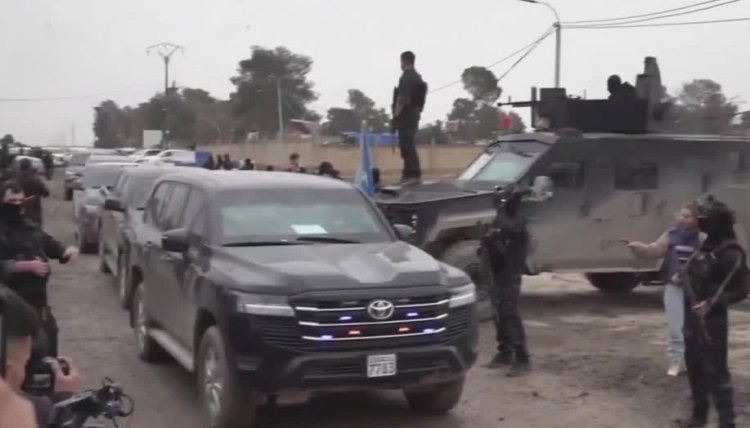
Syrian government forces entered the Kurdish‑held city of Hasakeh under a coordinated security arrangement, marking an initial step toward implementing a U.S.-backed ceasefire framework that foresees greater integration of Kurdish‑administered areas with Damascus. A convoy of more than 30 interior ministry vehicles moved into the city and took positions in state buildings within a designated “security zone,” with Kurdish Asayish personnel observing the deployment. Journalists verified the movements from outskirts into the city, and officials described the entry as orderly and prearranged to avoid clashes.
The deployment follows negotiations after recent battlefield gains by Damascus forces in parts of eastern and northern Syria. Syrian authorities framed the move as restoring state sovereignty, protecting institutions and preserving stability, while Kurdish officials said arrangements must respect local administrations and civilian safety. No major confrontations were reported during the entry; shops remained open and there were no immediate large‑scale displacements.
Hasakeh is strategically important—situated near the Turkish and Iraqi borders and at the center of the northeast’s energy and agricultural regions—where control has long been divided among the Syrian government, Kurdish administrations, foreign militaries and allied militias. Analysts caution the situation remains fragile: multiple armed actors operate in close proximity, including remaining U.S. forces in parts of the northeast and Turkish‑backed groups across the border, making deconfliction and clear rules of engagement essential to prevent renewed violence.
Reactions among residents were mixed. Some welcomed a clearer state presence and potential restoration of services; others feared erosion of Kurdish autonomy and possible arrests or restrictions. The entry is being watched regionally and internationally for its implications: Damascus cites reintegration as a bulwark against foreign intervention, while the U.S. stresses stability and preventing an extremist resurgence. Observers note the deployment serves both as a practical security measure and a test of how far tentative cooperation between Damascus and Kurdish authorities can proceed without a comprehensive political settlement.
The operation underscores the complex, incremental nature of territorial reintegration in Syria: tactical deployments intertwine with broader political negotiations and regional calculations. Whether Syrian forces’ presence in Hasakeh leads to sustained cooperation, renewed tensions, or gradual reassertion of state control will depend on follow‑through in talks, guarantees for local governance and effective coordination among local, national and international stakeholders.