Clintons agree to testify in Epstein probe
The move averts a planned House contempt vote
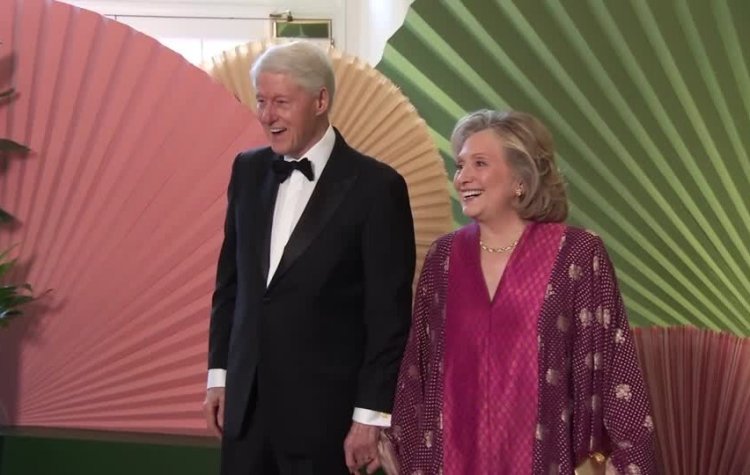
Former President Bill Clinton and former Secretary of State Hillary Clinton will testify before a House committee probing Jeffrey Epstein, averting a planned contempt vote after the panel recommended holding them in contempt for declining in‑person testimony. Their lawyers had offered cooperation but resisted in‑person appearances, saying the probe was partisan; the decision to appear undercuts that stand and removes a potential legal escalation.
The inquiry is examining how Epstein maintained ties with powerful figures despite repeated allegations and whether networks of influence helped shield him from scrutiny. Bill Clinton has acknowledged flights on Epstein’s private plane in the early 2000s, saying the trips were tied to philanthropic work and that he knew nothing of Epstein’s crimes; Hillary Clinton has denied any direct relationship with Epstein. Both deny wrongdoing.
Committee Republicans had pressed for tougher measures after what they described as slow or incomplete cooperation; a contempt vote would have been an unusual step likely to trigger court challenges. House leadership welcomed the development but gave no firm indication on whether the planned contempt action would be withdrawn. Committee officials said testimony is intended to clarify the nature, timing and scope of contacts, including travel, meetings and communications.
Legal experts say testimony could be public, private or transcribed, and scheduling discussions are ongoing. Advocates for Epstein’s survivors and some lawmakers welcome direct answers from high‑profile figures as key to understanding systemic failures that allowed abuse to continue. Critics caution against partisan grandstanding and stress the need to focus on victims and institutional reform rather than sensationalism.
The Clintons’ agreement to testify is likely to draw intense media attention and may shape the next phase of the investigation, which aims both to map Epstein’s networks and to identify lapses in oversight, law enforcement coordination and elite accountability. Observers note the outcome will depend on whether testimony is comprehensive and whether investigators secure broader documentary evidence to corroborate or challenge witnesses’ accounts.