

Hezbollah commander buried in Baalbek
Funeral held after Israeli strikes kill fighters and civilians in Bekaa
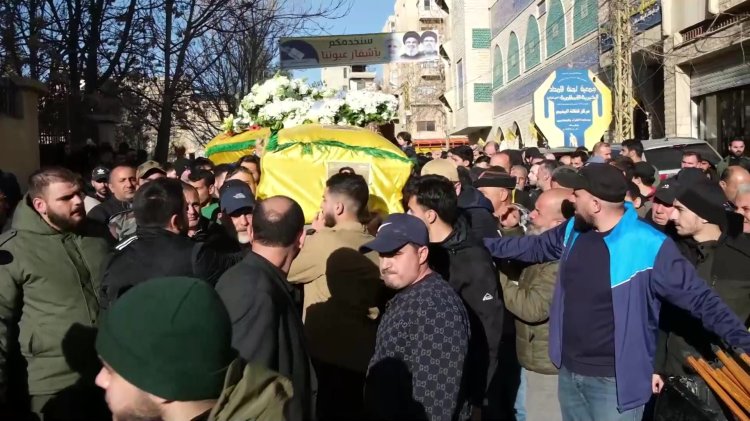
Dozens of mourners in Baalbek attended the funeral of Hezbollah commander Mohammad Yaghi, killed in Israeli strikes that hit the Beqaa area and left at least 10 people dead and 24 wounded, according to Lebanese authorities. Hezbollah said eight of its fighters, including a commander, were among the dead; Israeli forces said they had targeted Hezbollah missile sites and “eliminated several of Hezbollah’s missile array,” accusing those units of preparing attacks toward Israel.
The strikes, among the deadliest reported in eastern Lebanon in recent weeks, raised fears the fragile U.S.-brokered ceasefire could be tested. Security sources reported unrest across the Bekaa Valley, and Lebanese leaders warned that further Israeli operations risk deepening instability in a country already struggling with political and economic crises. U.S. and Israeli officials have urged Lebanese authorities to rein in Hezbollah’s arsenal; Lebanese officials pushed back, cautioning that broader strikes would exacerbate tensions.
At the funeral, mourners carried Yaghi’s coffin draped in Hezbollah flags, chanted slogans and vowed resistance. Clerics led prayers while speakers praised the commander’s role, blending grief with political messaging typical of such ceremonies. Hezbollah condemned the strikes as aggression and framed the casualties as evidence of continued threats to Lebanese sovereignty.
Israeli statements emphasized a tactical aim of degrading missile capabilities and disrupting preparations for cross-border attacks. The exchange fits a pattern of recurring cross-border incidents that have strained the ceasefire agreement and heightened regional anxiety. Analysts warn the cycle of strikes and retaliatory rhetoric could escalate if diplomatic channels fail to contain tensions.
Local security forces maintained a visible presence in affected areas as emergency services responded to casualties and damage. Humanitarian and medical facilities in the region faced pressure treating the wounded, and authorities coordinated investigations into the strikes and their aftermath. International observers and regional actors monitored developments closely, urging restraint and dialogue.
The episode underscores how localized military actions can reverberate across Lebanon’s fragile political landscape and the broader Israel–Hezbollah front. With investigations and diplomatic contacts ongoing, attention is focused on whether the incident will prompt de-escalation or further confrontations that could destabilize the region.