Global bodies warn on energy curbs
International Monetary Fund urges governments to avoid export controls and hoarding
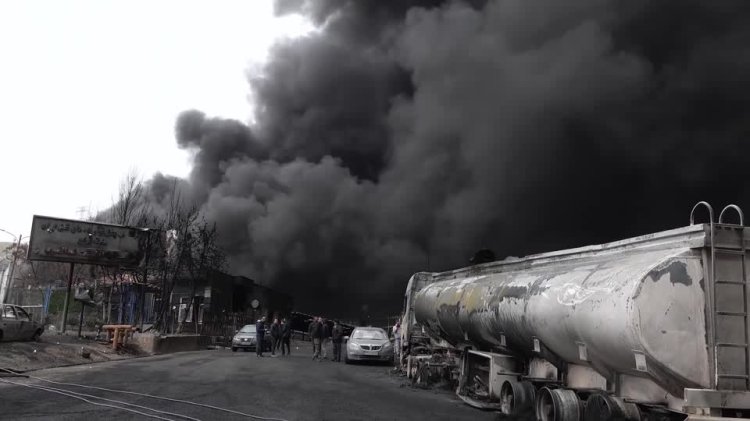
Global financial and energy institutions urged governments not to worsen supply strains by hoarding fuel or imposing export controls, warning such measures would deepen disruption in already stressed energy markets. The International Monetary Fund, World Bank and International Energy Agency made the appeal after a joint meeting, saying export restrictions and stockpiling risk amplifying what they described as the biggest shock to the sector in recent memory. IMF Managing Director Kristalina Georgieva urged restraint, saying countries should “do no harm” and avoid actions that further unbalance markets, noting growing fears over energy access in parts of Asia, sub‑Saharan Africa and the South Pacific.
IEA Executive Director Fatih Birol criticized some governments for not using emergency stock releases as intended, saying released reserves should flow into markets rather than be added back into national stockpiles while export curbs remain in place. The IEA has already authorized coordinated releases—about 400 million barrels—from strategic reserves and said it can act further if necessary, though logistical limits constrain how quickly oil can reach markets. Officials warned that supply shocks have pushed crude roughly 50% higher since the conflict began on February 28, with oil briefly rising above $100 a barrel before easing on hopes of renewed talks; gas and fertilizer costs have also climbed, stoking concerns about food security and job losses.
The warnings came amid heightened regional tensions as the U.S. military began blocking ships leaving Iran’s ports and Tehran threatened retaliation after talks to end the war faltered. The IMF and World Bank now expect slower global growth and higher inflation as fallout from the conflict. Analysts and officials stressed the need for coordinated, transparent policies to keep markets open and to protect vulnerable economies from disproportionate impacts, arguing that collective action is crucial to prevent a deeper, more prolonged global energy crisis.