Britain halts pork imports from Spain
It acts after Spain confirms African swine fever cases
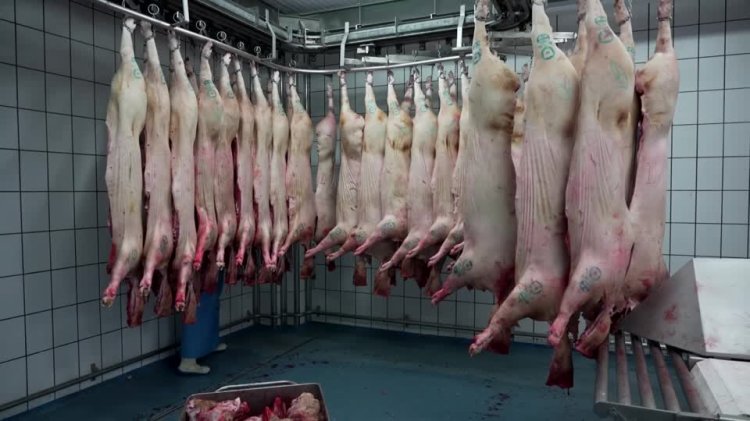
Britain has temporarily halted imports of fresh and frozen pork from parts of Spain after Spanish authorities confirmed their first cases of African swine fever (ASF) in over three decades. The detections, in wild boar near Barcelona in Catalonia — a major pig-farming region — prompted Madrid to activate emergency containment measures and led the UK to hold affected consignments at border control points until further notice.
Spain, the EU’s top pork producer, has seen strong exports to Britain this year: 37,600 metric tons of fresh and frozen pork so far in 2025, valued at over €112 million, an increase from 2024. China has also suspended imports from Barcelona province and from processing plants tied to the affected area, including several major exporters, after customs records showed bans on pork and wild-boar products following the Spanish detections. Authorities say the measures will remain in place and special monitoring will last at least 12 months; unaffected regions may resume exports once China confirms regional safeguards are activated.
ASF is highly contagious among pigs and wild boar, has no vaccine or cure, and does not affect human health. Outbreaks typically force large-scale culling and trigger international trade restrictions. The disease, last recorded in Spain in 1994, has in recent years spread westward across Europe and previously prompted major buyers such as China to impose sweeping restrictions after outbreaks in countries like Germany and Croatia.
The current episode complicates Spain’s efforts to expand pork market access in China and follow-up enforcement of a recent regionalisation agreement intended to allow exports from ASF-free zones even if outbreaks occur. Industry bodies and traders are awaiting confirmation of containment measures and official certification of unaffected zones before exports can resume.
Analysts warn export bans by key markets could severely disrupt trade, depress prices and inflict economic strain on Spanish farmers and processors. The disturbance adds pressure to global pork supply chains already affected this year by tariffs and shifting trade policies; observers expect producers across major EU-exporting countries to seek alternative markets, potentially worsening oversupply within the bloc.