

Cyclone Ditwah ravages Sri Lanka
It killed dozens as floods and landslides struck communities
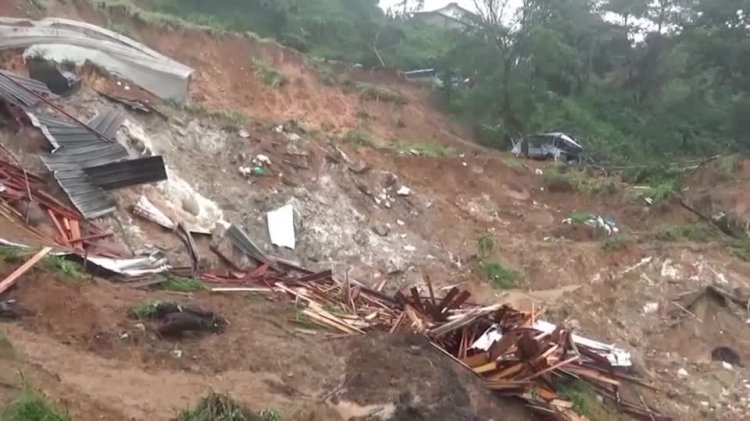
Cyclone Ditwah swept northward across Sri Lanka, killing 69 people and leaving dozens missing after intense rainfall and storm surge triggered widespread flooding and deadly landslides. The Disaster Management Centre (DMC) reported most fatalities resulted from landslides after more than 300 mm of rain fell in eastern and central regions. Nearly 44,000 people were directly affected and many sought refuge in schools and public shelters as rivers overflowed and whole communities were inundated.
The central highlands, including tea-growing areas around Badulla and Nuwara Eliya, suffered the heaviest losses when multiple landslides destroyed homes and trapped families. Low-lying districts in the east and south, as well as parts of the capital Colombo, experienced severe flooding that swept away vehicles, damaged farmland and cut major roads with debris. Flooding and collapsed bridges left numerous areas inaccessible, prompting authorities to close schools and government offices and suspend rail services.
Rescue operations continued with military helicopters, boats and emergency crews deployed to reach stranded residents, evacuate people from rooftops and deliver food, water and medical supplies. Volunteers and local officials joined relief efforts. Authorities warned that ongoing rainfall could trigger additional landslides in unstable terrain.
The disaster has strained shelter capacity and basic services; earlier reports of more than 150,000 people affected reflect the broader humanitarian impact as officials conduct damage assessments of homes, agriculture and infrastructure. The Irrigation Department cautioned that floods already spreading across southern and eastern areas may worsen. India and other neighboring countries have begun sending humanitarian assistance, including food parcels and relief materials, to support Sri Lanka’s emergency response. Authorities emphasized preventing further loss of life while prioritizing immediate search, rescue and relief operations.