Worshippers mark Ramadan in Mecca
Thousands gather at Grand Mosque for prayers as holy month begins
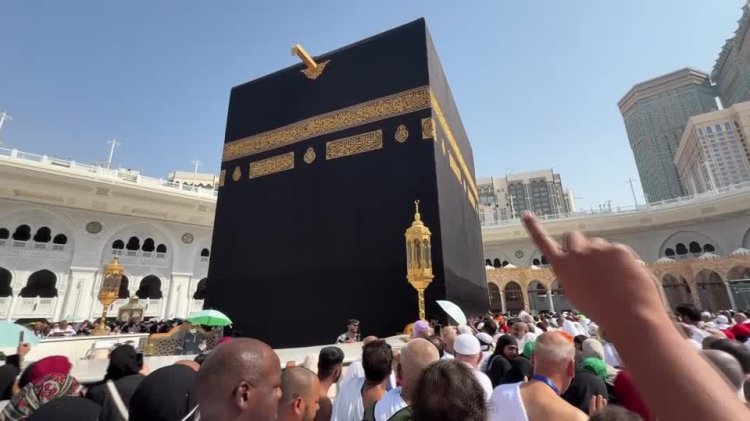
Thousands of worshippers packed the Grand Mosque in Mecca to mark the start of Ramadan, filling prayer halls and marble courtyards as the holy month began. Pilgrims arrived throughout the day to secure space around the Kaaba, turning the complex into a hub of collective devotion as the crescent moon confirmation heralded the month of fasting, prayer and charity observed by Muslims worldwide.
At sunset, congregants broke their fast together with dates and water, performed the Maghrib prayer and then took part in extended Taraweeh night prayers that drew many to remain in the mosque complex late into the night. The atmosphere combined solemn reflection with communal ritual: Qur’an recitations echoed across the site, sermons emphasized compassion and unity, and volunteers organised large communal iftars and distributed water and food to fasting worshippers.
Saudi authorities deployed crowd-management measures and additional services to facilitate the influx, stationing security personnel, volunteers and medical teams across the sprawling precinct to guide visitors and assist the elderly and people with disabilities. Transportation systems and emergency services were coordinated to handle peak flows to and from the mosque, and heat and crowd-density concerns prompted health teams to remain on standby.
Umrah pilgrimages typically increase during Ramadan, drawing both domestic and international visitors who traditionally stay longer and spend more. The mosque’s capacity, which can host over a million worshippers during peak nights, makes it a focal point for activity throughout the month, especially during the final ten nights when attendance and religious observance intensify.
Charitable organisations were prominent, reflecting Ramadan’s emphasis on generosity, with many faith groups and volunteers ensuring that those in need received meals and support. Religious leaders urged patience, solidarity and intensified worship, while many pilgrims described the experience as spiritually renewing and a reaffirmation of communal bonds.
Across the Muslim world, mosques and communities observed similar opening-night rituals, with family gatherings, local iftars and neighborhood prayers. At the Grand Mosque, the combination of high turnout, logistical coordination and heightened devotion underlined Mecca’s central role in Ramadan observance, as worshippers settled into nightly routines of prayer, reflection and charity for the weeks ahead.