

Philippines marks EDSA anniversary
Nation marks 40 years since uprising that ended Marcos Sr. rule
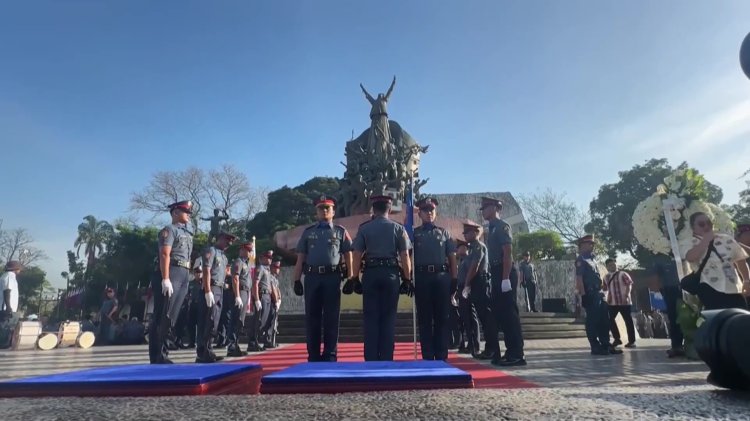
Police carried wreaths as the Philippines marked the 40th anniversary of the EDSA People Power Revolution with ceremonies in Quezon City and along Manila’s Epifanio de los Santos Avenue, where millions gathered in 1986 to end Ferdinand Marcos Sr.’s two‑decade rule. Government officials, civil society groups and religious leaders attended masses, wreath‑laying rites and public forums that recalled the largely peaceful, four‑day uprising which culminated in Marcos Sr.’s exile and Corazon Aquino’s assumption of the presidency, credited with restoring democratic institutions after years of martial law.
Speakers at events stressed civic unity, democratic accountability and the enduring power of peaceful protest, while human rights advocates recounted abuses under the previous regime—detentions, torture and killings—and urged younger Filipinos to remain vigilant in defending constitutional freedoms. Exhibitions, archival screenings and panel discussions at universities and community centers revisited personal testimonies from survivors, activists, clergy and military personnel who joined the demonstrations, underlining the mixture of ordinary citizens and institutional actors whose actions shifted the country’s political course.
This year’s commemoration unfolded in a politically sensitive context: Ferdinand Marcos Jr., the son of the ousted strongman, is the sitting president. His administration described the anniversary as a significant national moment, while critics contended that preserving the historical record is essential to counter perceived attempts at historical revisionism and to safeguard democratic norms. Organizers reported attendance levels that varied from previous milestone anniversaries but said the symbolism of People Power continues to resonate across generations.
Security at commemorative events was tight but orderly, with police and organizers coordinating to ensure peaceful observances. Veterans and former participants who returned to mark the milestone emphasized both pride in what was accomplished and concern about ongoing threats to democratic institutions. For many attendees, the ceremonies were a reminder that the gains of the 1986 uprising require constant stewardship.
Forty years on, the People Power Revolution remains a defining chapter in the nation’s modern history: a testament to collective civic action that toppled authoritarian rule and a cautionary emblem of democracy’s fragility. Participants and observers alike framed the anniversary as both a celebration of a hard-won restoration of democratic governance and a prompt to renew commitments to human rights, historical truth and civic participation.