Israel restricts Ramadan access to Jerusalem
Entry capped as Gaza worshippers pray at damaged mosque amid conflict and tight security
Israeli authorities limited access to Jerusalem for worshippers from the West Bank ahead of the first Friday prayers of Ramadan, capping entries at 10,000 and tightening security across the city. COGAT, the Israeli military agency that manages movement from the West Bank and Gaza, said eligibility would be restricted to men aged 55 and over, women aged 50 and over, and children up to 12 when accompanied by a first‑degree relative. Police deployed large numbers of officers and border police to the Old City, around holy sites and on routes used by worshippers; some Palestinians arriving at checkpoints reported being turned back.
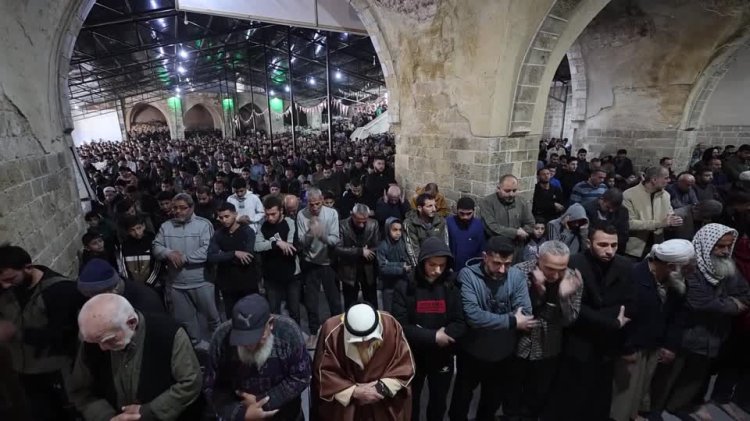
In Gaza, worshippers gathered at the war‑damaged Great Omari Mosque in Gaza City for the first Friday prayers of Ramadan, holding services amid rubble and partial structural collapse. The mosque, like many buildings across Gaza, shows visible damage from the months‑long conflict that followed a Hamas‑led cross‑border attack in October 2023 and ensuing Israeli military operations. Gaza health authorities say tens of thousands have died and thousands of religious sites have been destroyed or damaged; Israeli officials say strikes target militant infrastructure and accuse armed groups of operating in civilian areas.
Imams in Gaza delivered sermons stressing patience and resilience as congregants spread prayer mats in courtyards and cleared areas amid exposed concrete and broken roofs. Volunteers carried out basic repairs to allow worship to continue; civil defence teams monitored the gatherings and aid groups noted the symbolic importance of maintaining religious observance amid severe humanitarian strain, including displacement, damaged homes, electricity shortages and limited fuel.
Humanitarian and religious leaders described the prayers as both an act of faith and a signal of communal endurance. In the West Bank and Jerusalem, heightened security and access restrictions underscored ongoing tensions over movement and holy‑site management, while in Gaza the scenes at damaged mosques highlighted the broader human cost of the conflict and the challenges facing reconstruction and relief efforts.