Guinea begins biometric census for polls
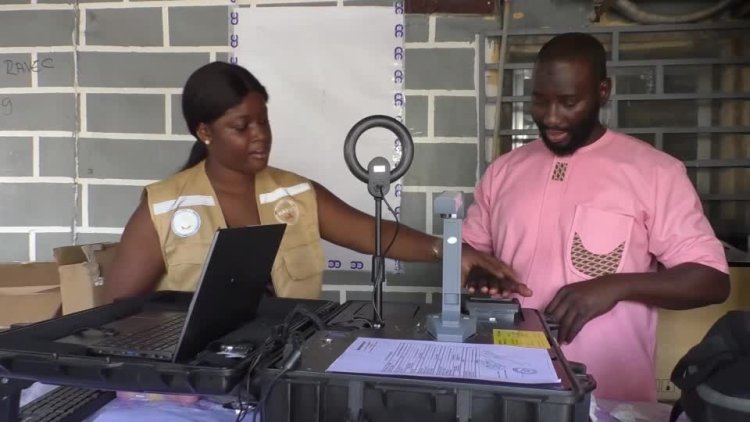
Residents in Conakry are participating in Guinea's national census, which includes biometric enrolments such as iris scans and fingerprinting to issue identity receipts. These receipts will later be converted into voter cards in preparation for elections announced by Prime Minister Amadou Oury Bah, set to take place in December. This announcement follows the government's declaration of a constitutional referendum on September 21, which is intended to pave the way for a return to constitutional governance after the military coup in September 2021.
Guinea is currently under the rule of military leader Mamady Doumbouya, who initially proposed a two-year transition to elections but failed to organize a vote. The junta had previously set a deadline of December 31, 2024, for a return to civilian rule, which it missed. In July 2024, a draft of a new constitution was presented, potentially allowing Doumbouya to run in the next presidential election. Meanwhile, the two former ruling parties are suspended, and the main opposition party, the Union of Democratic Forces of Guinea, is under surveillance.
The ongoing biometric voter registration campaign, which began on April 15, aims to register all citizens and assign them unique identifiers, forming the basis for a new electoral register. The government has invested approximately $35 million in 6,000 biometric enrollment kits to ensure accurate data collection. However, the opposition coalition, Forces Vives de Guinée, has raised concerns about the integrity of the process, alleging that the military-led government is attempting to create a biased electoral register. Despite these accusations, the government insists that biometric registration is essential for credible elections and the restoration of civilian rule, making its success crucial for Guinea's democratic future.