RORC Caribbean 600 sets sail
Fleet races from Antigua in brisk trade winds around 11 islands
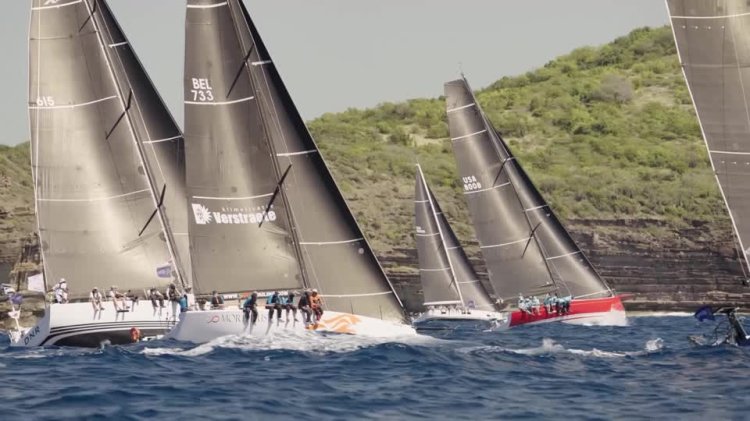
The 2026 RORC Caribbean 600 began off Fort Charlotte in Antigua with brisk easterly trade winds setting the scene for a dramatic start to the 600-nautical-mile race around 11 Caribbean islands. Race Director Chris Jackson described near‑perfect conditions of around 15 knots and a slight adjustment to the start line that produced a safe, even approach at the pin. Five separate starts produced clean lines overall, with only one boat initially over early but returning without major loss.
The opening minutes featured intense tactical duels. In IRC Zero, Niklas Zennström’s Carkeek 52 Rán and Frédéric Puzin’s Carkeek 54 Daguet 5 engaged in a heated pre‑start battle that pushed both boats inshore beneath Fort Charlotte’s cliffs before they split and charged offshore. In the big‑boat IRC Super Zero class, a crowded pin end saw the Mills 72 Balthasar marginally early and quickly overtaken by Remon Vos’s Maxi 100 Black Jack 100, while the Farr 100 Leopard 3 squeezed up to leeward, briefly backwinding Black Jack as the maxi trio thundered away from Antigua.
The 11‑strong multihull fleet produced its own dramas: Marc Guillemot’s MG5 WellnessTraining judged the pin perfectly to secure clear air, while race record holder Jason Carroll’s MOD70 Argo elected a more cautious, leeward approach to avoid congestion. Jon Desmond’s MOD70 Final Final – Zoulou was momentarily boxed in at the pin but freed without lasting damage. By the time the fleet rounded for Barbuda, Argo led the multihull group by under eight minutes, leaving the match tightly poised.
Early tracking showed tight groupings among class leaders, with marginal gaps separating front‑runners. The course, starting and finishing in English Harbour, winds through a mix of open ocean blasts and technical passages in the lee of volcanic headlands — including rounds of Barbuda, Nevis and Guadeloupe — testing navigators’ weather choices, sail changes and fatigue management. Fast multihulls can complete the course in just over a day under ideal trades; leading monohulls typically take two to three days, with smaller entries potentially out for four to five days.
Race organisers reported no major incidents at the start and maintained 24‑hour monitoring and safety coverage as the fleet stretched into the Caribbean. The opening exchanges delivered a spectacle of boat handling, tactical gambits and close racing; whether early leaders can convert their positions will depend on shifting winds, tactical calls around islands and the endurance of crews as the 600‑mile challenge unfolds.