

Pakistan protests turn deadly
At least 21 killed in unrest after Iran leader death reports
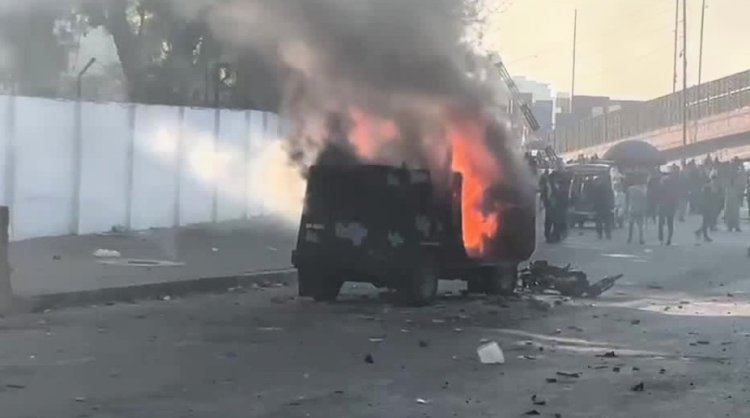
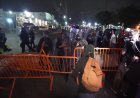
Violent protests over the reported death of Iran’s Supreme Leader in strikes attributed to the United States and Israel left at least 21 people dead and scores wounded across Pakistan, officials said. Demonstrators gathered outside U.S. diplomatic missions in multiple cities to express solidarity with Iran and condemn the strikes, leading to clashes with security forces.
In Karachi, crowds breached the outer wall of the U.S. consulate, set a vehicle ablaze and confronted security personnel. Police reported that at least nine protesters were shot dead there and 34 others were wounded by gunfire, while hospital officials confirmed multiple gunshot injuries. Journalists near the compound heard gunfire and saw tear gas deployed as protesters carried pictures of the Iranian leader and chanted anti-U.S. slogans. Local authorities said consulate security opened fire on the crowd; a provincial government spokesman said a high-level inquiry had been ordered into the escalation.
In Peshawar, hundreds gathered near the Iranian Cultural Center and attempted to march toward the U.S. consulate but were blocked by police using tear gas and baton charges. Protesters said several people were injured after being struck by a vehicle and were taken to hospital. In Skardu, in the normally tranquil Gilgit-Baltistan region, demonstrators set fire to a United Nations office building; local officials reported no casualties there.
Diplomatic missions from Western countries tightened security and restricted staff movement as the unrest spread, with some consular services suspended and safety advisories issued. U.S. diplomatic posts in Karachi and Islamabad did not immediately respond to requests for comment. Pakistani authorities deployed additional troops and paramilitary units to restore order, appealed for calm and pledged investigations into the violence.
The protests in Pakistan are part of a wider wave of demonstrations across the region following the strikes, intensifying anti-American sentiment among sympathizers of Iran. Authorities face the challenge of balancing public safety with managing public outrage, as tensions remain high and the situation continues to evolve.