Brent jumps 10% on Iran strikes
Oil nears $80 as Hormuz fears lift risk premium
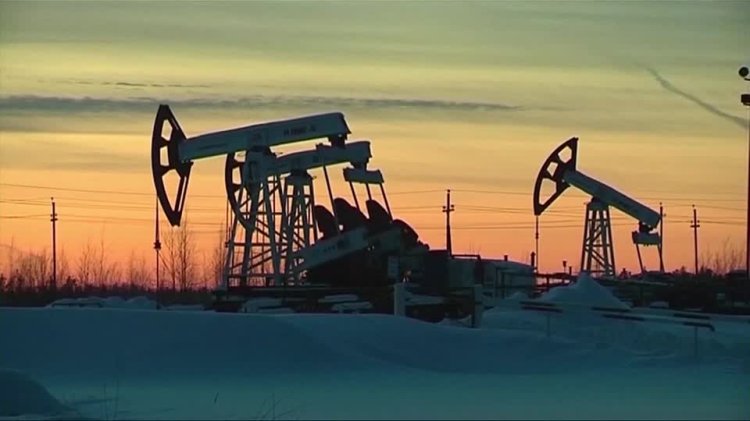
Brent crude surged about 10% to roughly $80 a barrel in over‑the‑counter trade after U.S. and Israeli strikes on Iran triggered a fresh round of hostilities in the Middle East, prompting analysts to warn prices could reach $100 if the conflict widens. The global benchmark had already been climbing this year and touched $73; futures markets were closed over the weekend and reopened amid volatile moves reflecting heightened supply‑risk fears.
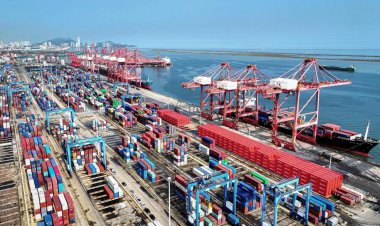
Traders and shipping sources reported that many tanker owners, oil majors and trading houses suspended shipments of crude, fuel and liquefied natural gas through the Strait of Hormuz after Tehran warned vessels against transiting the waterway—a critical chokepoint that handles more than one‑fifth of global oil shipments. The spike in prices has been driven primarily by risk premia rather than immediate physical shortages, with market participants citing the prospect of broader disruptions to shipping lanes or strikes on Persian Gulf energy infrastructure.
Insurance premiums for tankers in the Persian Gulf have risen and some companies are reconsidering routes and contingency plans amid concerns about missile or drone attacks. Analysts note that even limited interruptions at loading terminals or export facilities could greatly amplify volatility, and several investment banks have flagged the potential for Brent to approach or exceed $100 per barrel if disruptions persist for weeks.
Governments and energy ministers in major consuming countries are monitoring the situation; strategic petroleum reserves remain available but no coordinated release has been announced. While non‑ Persian Gulf producers such as the United States and Brazil could increase output, spare capacity is concentrated among a small number of OPEC members, limiting near‑term options to fully offset Persian Gulf supply risks.
The price jump is already filtering through to markets: energy equities rose on expectations of stronger revenues, broader equity indices showed signs of strain, and some oil‑exporting currencies strengthened. Consumers and energy‑intensive sectors face near‑term pressures as higher crude typically leads to rising gasoline, diesel and airline fuel costs, adding inflationary stress to economies coping with tight monetary conditions.
Market direction in the coming days will hinge on geopolitical developments and whether hostilities remain contained. If tensions ease, prices could pull back from current peaks; if instability spreads to key shipping routes or energy infrastructure, a sustained move toward $100 a barrel becomes an increasingly plausible near‑term outcome.