

Humpback whales return to Rio coast
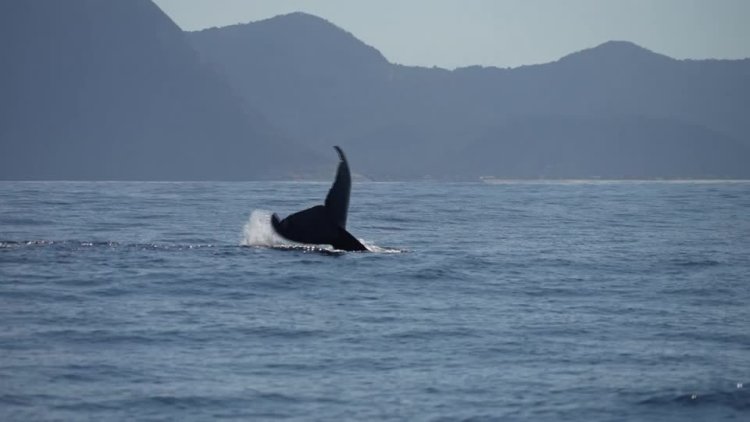
Humpback whales have made a notable return to the coast of Rio de Janeiro, with increased sightings and larger pod sizes reported this July. Marine biologist Pedro Froes from Brazil's Whale Observatory attributes this early appearance to favorable environmental changes, while fellow researcher Veronica Avalos highlights the success of conservation efforts that have led to a recovery in the whale population after previous declines.
The growing presence of these majestic creatures has positively impacted the emerging whale-watching industry in Rio, providing economic benefits to local coastal communities and fostering awareness of marine conservation. As whale-watching tours gain popularity, they help strengthen the connection between locals and the whales.
Humpback whales typically migrate along the Brazilian coast from June to October, with the Abrolhos Bank serving as a key breeding ground. Researchers have been monitoring the whales in Rio for over a decade, identifying the area as a significant migratory corridor. Recent findings include the observation of competitive groups of whales and the first recorded sighting of a newborn calf in the city’s waters, suggesting that Rio may develop into a breeding ground similar to Abrolhos.
The Ilhas do Rio Project has documented various whale behaviors, including competitive mating groups, and has recorded a significant number of sightings in recent seasons. The researchers noted that the population of humpback whales has been increasing, and since 2014, they have not been listed as endangered in Brazil. The unique black and white patterns on the whales' fins allow scientists to identify individuals through photo-identification, contributing to ongoing conservation efforts.