Protest in Monrovia over rape crisis
Activists demand stronger action on abuse
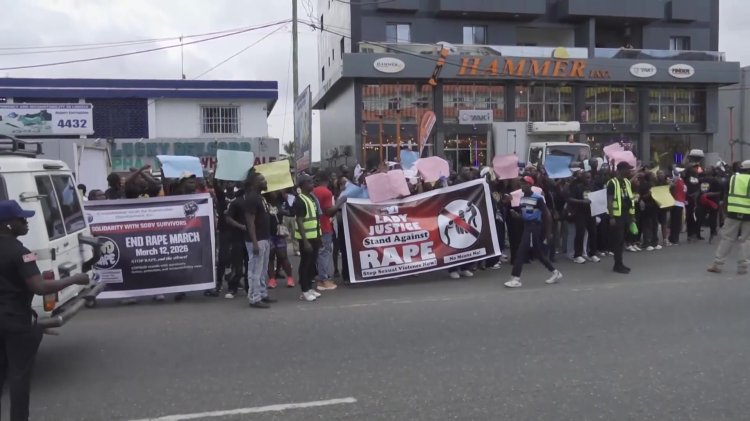
Activists marched through Monrovia to demand stronger protections against rape and sexual violence, spotlighting what organisers and officials describe as a national crisis. The Ministry of Gender, Childhood and Social Protection reported 2,759 rape cases in 2024, many involving victims under 18, data that campaigners say underscores urgent gaps in prevention, response and justice.
The demonstration brought together civil society organisations, student groups, community leaders and survivors, who processed from central Monrovia to government offices carrying banners and placards calling for tougher penalties, faster investigations and expanded support services. Speakers framed sexual violence as a major public‑safety and human‑rights emergency and urged immediate, concrete reforms: increased funding for police and prosecutors to speed casework; specialised training for investigators and judges handling gender‑based crimes; and dedicated units to reduce attrition of cases.
Survivors’ testimonies were central to the rally, with several recounting obstacles to reporting and recovery — social stigma, lengthy investigations, limited forensic capacity and scarce counselling or shelter options. Organisers said these systemic barriers deter reporting and allow perpetrators to evade accountability, and they demanded accessible legal aid, confidential reporting channels and survivor‑centred medical and psychological services.
Human rights groups at the event called for nationwide prevention efforts, including comprehensive sex‑education, community outreach and campaigns to challenge cultural norms that normalise or conceal abuse. Activists also urged improved data collection and transparency from authorities to monitor progress and ensure policies are evidence‑based.
Police maintained a presence to ensure order, and the march remained largely peaceful. Government officials publicly acknowledged the severity of gender‑based violence and pointed to recent legislative steps aimed at protection, but campaigners criticised uneven implementation and insufficient resources. They warned that laws are ineffective without enforcement, capacity building and sustained investment in victim support.