U.S. to release oil reserves amid war
Tanker strike near Basra raises fears of supply disruption
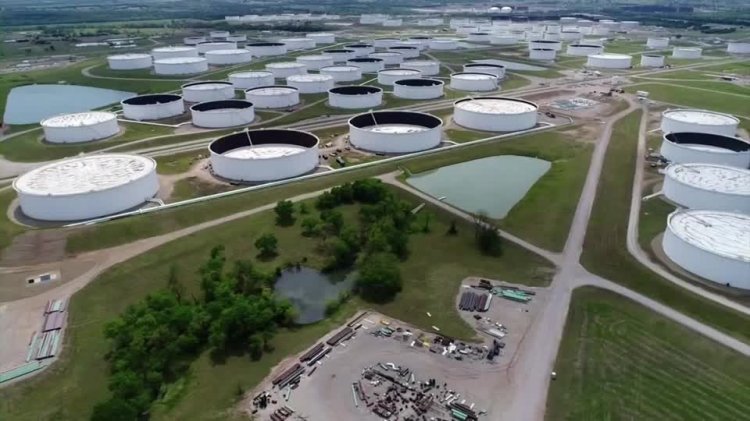
The United States will release 172 million barrels of crude oil from the Strategic Petroleum Reserve to help lower soaring fuel prices amid heightened tensions tied to the war in Iran. The release is part of a coordinated International Energy Agency effort totaling 400 million barrels across member countries. U.S. Energy Secretary Chris Wright said deliveries will begin next week and take about 120 days to complete, and officials expect to replenish reserves later, with plans to replace more than the released volume by adding roughly 200 million barrels within the next year.
The move aims to bolster global supply and calm markets after disruptions and threats tied to the conflict—including Iranian strikes on Israel and Persian Gulf states, threats to block Persian Gulf shipments and attacks on merchant vessels—pushed benchmark Brent crude up sharply, with prices rising about 35% in recent weeks. Tehran has warned oil could reach $200 a barrel if disruptions persist, signaling intentions to impose prolonged economic pressure.
U.S. officials framed the release as a temporary market-stabilizing measure while diplomatic and economic responses continue. Large SPR releases can influence trader expectations even before oil enters the market, potentially easing volatility.
Also Brent crude surged toward $100 a barrel after reports that two oil tankers were attacked near Iraq’s Basra port, reviving fears of Middle East supply disruptions. Brent traded around $97.74, up about 6.6%, while US West Texas Intermediate rose roughly 6.5% to about $93.07, briefly lifting futures above $100. The spike came despite a coordinated International Energy Agency plan to release about 400 million barrels from strategic reserves and a US decision to tap 172 million barrels from its Strategic Petroleum Reserve, to be delivered over roughly 120 days and replenished within a year.
Iraqi officials said the strikes occurred in territorial waters near Umm Qasr; at least one person was killed and 38 crew members rescued. Authorities deployed ships to assist and insisted Iraq would avoid becoming a party to the wider conflict. Concerns over shipping safety intensified market jitters even as US commercial crude inventories rose by 0.9% (about 3.8 million barrels) for the week ending March 3, a sign of weaker domestic demand that could temper further price gains.