Mobile World Congress in Barcelona
Industry spotlights AI-driven connectivity at annual event
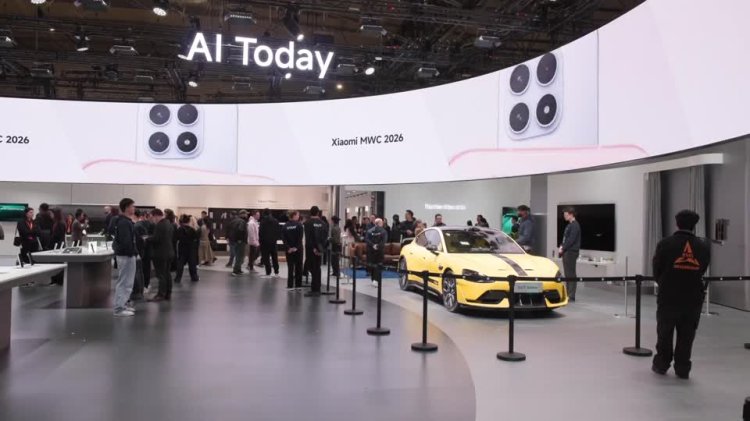
The Mobile World Congress in Barcelona opened under the theme "The IQ Era," centering artificial intelligence, intelligent infrastructure and AI-integrated connectivity as the industry’s primary focus. Marking two decades in Barcelona, the event brought together roughly 2,900 exhibitors, sponsors and partners, and more than 1,200 speakers representing over 100 countries and regions, including global network operators, device makers and technology firms.
Organizers and industry leaders framed the shift as moving beyond basic connectivity to systems powered by embedded intelligence: AI-enhanced networks, edge computing and on-device machine learning. Keynotes emphasized deeper 5G deployment, early 6G research and using AI to optimize network operations, reduce energy consumption and enable ultra-low-latency use cases such as remote surgery, autonomous vehicles and industrial automation.
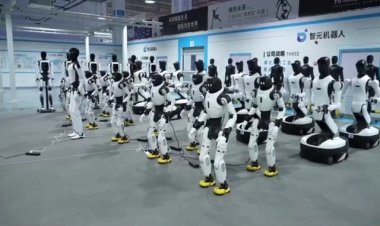
Major handset manufacturers showcased flagship devices with advanced on-device AI for real-time translation, generative imaging and adaptive power management, while chipmakers unveiled processors tailored for complex mobile ML workloads to reduce cloud dependence and bolster privacy. Demonstrations across the halls highlighted robotics, mixed-reality platforms, intelligent base-station prototypes and autonomous drones, alongside enterprise AI applications for manufacturing, logistics and healthcare.
A China Pavilion appeared for the first time, featuring companies such as China Mobile, China Unicom, Huawei, ZTE, Honor and Xiaomi, presenting their latest mobile and AI innovations. Startups and venture capital activity were visible in innovation zones, with investors focused on firms merging connectivity and real-time intelligence.
Policy and ethics discussions ran alongside technical showcases, with regulators and industry executives debating frameworks for AI governance, data protection, cybersecurity and digital inclusion. Sustainability was also prominent, with participants outlining smarter energy management, circular device designs and other measures to lower carbon footprints.
Organizers stressed the need for industry collaboration to address AI-related challenges and strengthen digital security as deployments scale. While the emphasis is on commercializing intelligent connectivity and translating prototypes into scalable solutions, speakers noted the importance of aligning innovation with responsible regulation.
The congress reinforced Barcelona’s role as a key global hub for mobile and digital industries, drawing thousands of delegates to weigh how AI-driven advances in devices, networks and infrastructure will reshape communication, commerce and daily life in the coming decade.