Nikkei falls as Middle East tensions rise
Energy fears and safe-haven rush pressure Asian markets
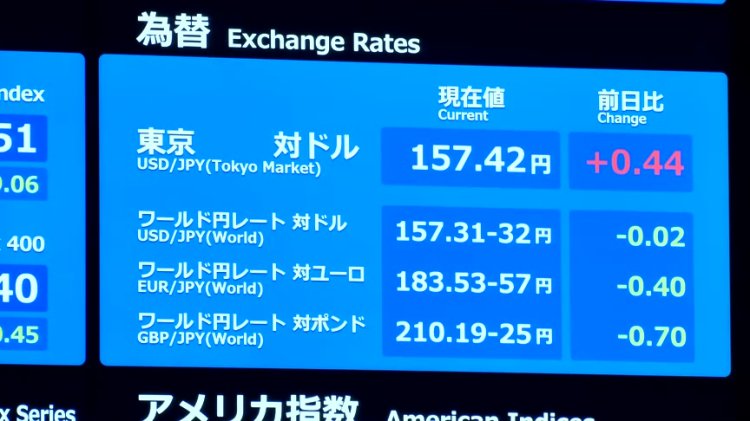
Japan’s Nikkei 225 slid over 1% in volatile trading as escalating tensions in the Middle East prompted a broad risk-off reaction across global markets. Investors moved toward safe-haven assets such as the yen, gold and government bonds, while equities—particularly export-oriented sectors—came under heavy pressure. The Topix index also fell, with steep declines in automotive, electronics, machinery and other export-linked stocks as fears grew that prolonged instability could disrupt supply chains and damp global demand.
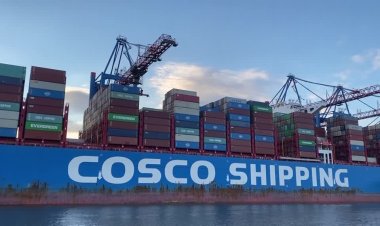
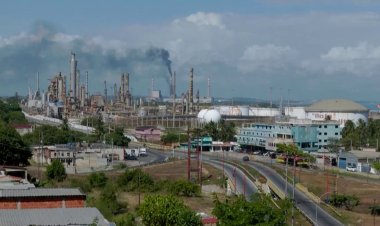
Energy prices jumped on concerns about supply disruptions through key maritime routes, intensifying worries for energy-importing economies like Japan and South Korea. Higher crude and LNG costs threaten to raise input and fuel expenses for manufacturers, airlines and shipping firms, potentially squeezing corporate margins and widening trade deficits. Airlines, shipping companies and transport-dependent businesses were among the hardest hit, while some energy and defense-related names recorded modest gains.
Currency moves amplified market strains: the yen strengthened versus the dollar as investors sought safety, offering some relief for import costs but pressing exporters by reducing the value of foreign earnings when converted home—adding downward pressure on major export-heavy listings. South Korea’s KOSPI similarly fell amid heavy foreign selling, with semiconductor and other technology stocks suffering as overseas investors rebalanced away from export-reliant markets.
Global indices mirrored the cautious tone, with Asian and European markets declining and U.S. futures pointing lower as traders weighed the potential for a prolonged conflict. Analysts warned that short-term volatility will likely persist and that the broader economic fallout hinges on whether tensions escalate or stabilize. Central banks are also being closely watched: rising energy prices could complicate inflation trajectories and influence upcoming monetary policy decisions, notably in economies beginning to adjust ultra-loose stances.
Despite the sharp market reaction, many analysts stressed that underlying corporate and economic fundamentals in Japan and South Korea remain relatively intact, arguing the route largely reflects geopolitical risk premiums rather than domestic deterioration. Still, they cautioned that sustained disruptions to energy supplies or shipping corridors could exert prolonged pressure on equities, corporate profits and regional economic recovery prospects. Investors are expected to continue monitoring diplomatic developments, energy price trends and region-specific security updates as they reassess risk exposure.