

Iran presents seven-day plan to reopen Hormuz
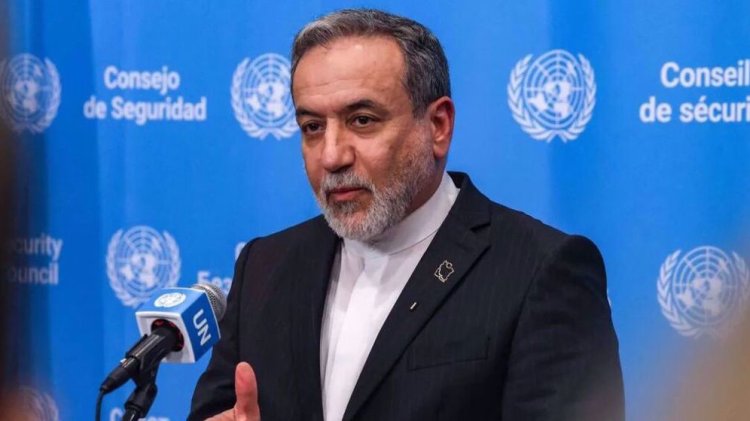
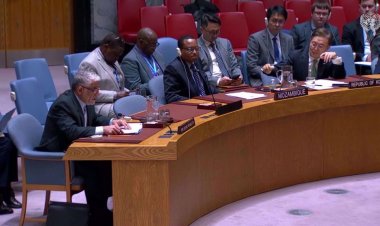
Iran’s foreign minister said sustainable development cannot advance without peace, respect for international law and stronger global cooperation. Speaking at a high-level Global Development Initiative meeting in New York, Abbas Araghchi said developing countries are being held back by poverty, hunger, debt, unequal access to financing and technology, and worsening environmental pressures. He argued that war, coercion, sanctions and unilateral policies are reversing progress and said poorer states need resources, knowledge and partnership rather than new barriers.
Araghchi strongly criticized unilateral sanctions, saying Iran has lived under them for decades and that they now affect trade, medicine, technology, education and scientific cooperation. He described the impact on ordinary Iranians as economic terrorism and called on the United Nations to reject such pressure and demand their complete lifting. He also condemned the US-Israeli attacks on Iran as a breach of international law and the UN Charter, saying they killed civilians and damaged schools, health facilities and other essential infrastructure.
The foreign minister praised China’s Global Development Initiative as a platform that can strengthen South-South cooperation and give developing countries a stronger voice in global governance.
Araghchi also said Iran has presented the United States with a seven-day plan through Qatar that could reopen the Strait of Hormuz if Washington meets certain conditions. He said the steps would require several days, with the waterway reopening on the sixth day and talks on a final deal beginning on the seventh. He said the proposal is based on earlier commitments, and that the decision now rests with Washington. The Strait of Hormuz remains one of the world’s most important energy routes, and any disruption has global consequences for oil prices and inflation.