


Canadian alcohol makers face new hurdles
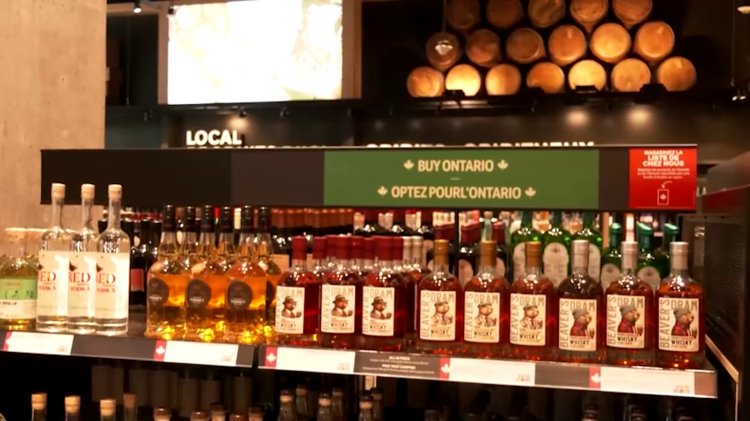
Canadian alcohol producers face significant challenges from a US import ban effective September 29, 2026. The ban targets bottled whisky, packaged beer, wine, cider, vodka, and gin. This measure escalates an ongoing trade dispute, with the US citing Canadian provincial restrictions on American alcohol. The ban affects nearly one billion dollars in Canadian alcohol sales. The US has historically been the primary export market for Canadian spirits, absorbing 93 percent of all exports. This reliance threatens smaller distilleries and wineries. Bulk, unbottled alcohol may still be imported, but this exemption benefits larger companies able to shift bottling operations south of the border. Domestically, Canadian alcohol makers face obstacles. Complex provincial regulations and government retail systems create inter-provincial trade barriers. Many provinces maintain alcohol sales monopolies, prioritizing local products and limiting out-of-province brands' shelf access. Producers like John Cote of Black Fox distillery in Saskatchewan highlight bureaucratic costs and delays in inter-provincial sales, causing financial losses. Though nine provinces agreed in July to permit direct-to-consumer sales nationwide, but not broader store shelf access, deemed essential for growth. Trade talks between President Donald Trump and Prime Minister Mark Carney broke down last month, further exacerbating the situation. Industry groups now advocate for comprehensive internal trade reform to establish a more unified Canadian marketplace.