

Iran's currency hits record low amid crisis
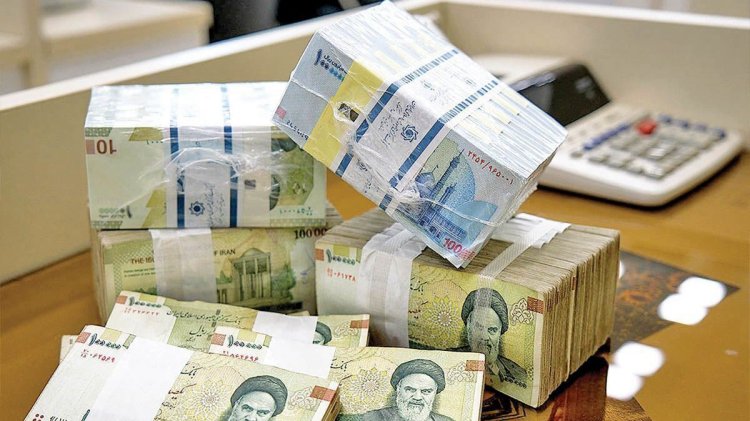
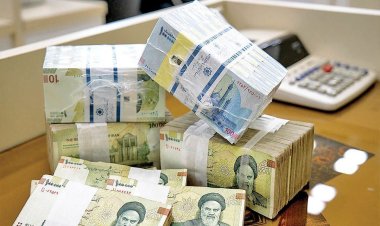
Iran's national currency, the rial, has plummeted to a record low against the US dollar, signaling a deepening economic crisis. The exchange rate has recently exceeded two and a half million rials per US dollar. This depreciation is a direct consequence of stringent international sanctions restricting Iran's access to global financial markets and reserves. The economic pressure on Iran has intensified following the launch of what the United States termed "Operation Economic Outcast," aimed at further isolating Tehran financially. Beyond external pressures, Iran grapples with chronic fiscal deficits, financed through money creation, which fuels rampant inflation. Annual inflation has surged past sixty percent, and food prices are up over one hundred and twenty-eight percent year-on-year, eroding the purchasing power of ordinary Iranians. The rial's collapse has profound social consequences. Basic necessities like bread, rice, cooking oil, and meat are increasingly unaffordable for many. Healthcare and imported goods also saw sharp price increases due to the weakened currency. This led to a steep decline in real household income, pushing many middle-class families towards poverty and fueling widespread social discontent and protests across the country. The economy has seen significant contraction, with negative GDP growth. Analysts cite declining public confidence, geopolitical tensions, and capital flight as factors in this self-reinforcing cycle of currency weakness and inflation. Iran's economic instability carries broader implications for global energy markets, given its role as a major oil producer, highlighting challenges for isolated economies.