

Iran rejects Hormuz sanctions
Tehran says U.S. sanctions will not curb strait control
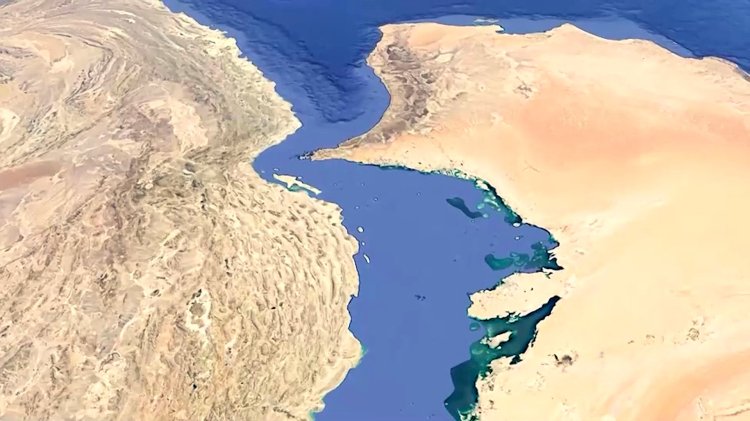
Iran’s Persian Gulf Strait Authority (PGSA) condemned recent U.S. sanctions targeting the body that now oversees passage through the Strait of Hormuz, saying coercive measures will not enable Washington to control the strategic waterway. The PGSA’s statement rejected U.S. accusations and framed the blacklisting as proof of its effective performance, adding that sanctions from a country whose president “boasts about piracy” are taken as a badge of honor. The authority said it continues to review and issue passage permits for non‑hostile vessels without interruption and promised to publish first‑month activity statistics soon.
The U.S. Treasury placed the PGSA on its Specially Designated Nationals list, accusing the agency of acting as an extortion arm of the Islamic Revolutionary Guard Corps by forcing commercial vessels to pay steep transit fees; Washington alleges some tolls reached up to $2 million per passage. Tehran countered that U.S. attempts to assert control over the strait have already failed through military and diplomatic means and will not succeed through sanctions.
The dispute has heightened geopolitical and market tensions. Iran says it tightened controls over the corridor in response to what it described as recent U.S. and Israeli aggression, and points to an earlier U.S. naval blockade announcement as justification for stricter oversight. The standoff has disrupted shipping and contributed to a sharp rise in Brent crude prices, reflecting fears for a passage that handles a significant share of global oil and gas shipments.
The sanctions arrive amid tentative mediation efforts, with Pakistan reportedly brokering truce talks between Washington and Tehran. Iranian officials and the PGSA warned that economic measures and sanctions will not restore U.S. influence over the Hormuz chokepoint, while U.S. authorities maintain the designation is aimed at curbing illicit extortion and restricting revenue streams linked to the IRGC. International diplomatic channels are engaged to de‑escalate tensions and restore regular transit, but market and security ramifications persist as both sides trade accusations.