Mexican gang leader el botox arrested
Authorities say suspect led cartel-linked cell using drones and heavy weapons
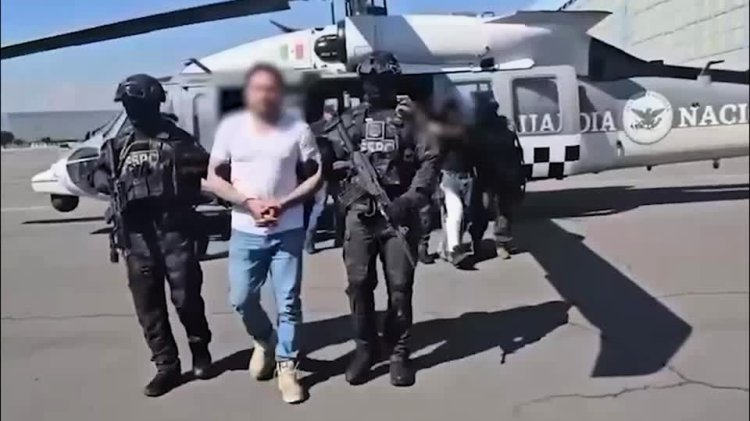
Mexican authorities arrested Cesar Sepulveda Arellano, alias "El Botox," in Buenavista, Michoacán, on charges including extortion and homicide, the government said. Arellano is accused of leading the Los Blancos de Troya cell, controlling the yellow-lime trade across multiple Michoacán municipalities and allegedly ordering the killing of a lime producers’ leader. He was among individuals sanctioned in August by the U.S. Treasury’s Office of Foreign Assets Control (OFAC) alongside the Los Viagra group and linked to the Jalisco New Generation Cartel (CJNG).
Officials said the criminal cell possessed significant firepower, including high-caliber weapons, drones equipped to carry explosives, and improvised devices resembling anti-personnel mines used to fortify the leader’s compound and deter rivals or authorities. Authorities also reported the group employed drones for surveillance. The arrest followed an operation by federal forces based on intelligence gathered over months and was carried out without incident.
Prosecutors intend to present Arellano before a judge, likely seeking pretrial detention given the gravity of the alleged offenses and flight risk. Investigations are ongoing to trace financial records, communications and business links to identify assets and associates; authorities signaled possible further arrests and potential cooperation agreements if the suspect provides information on broader networks.
The arrest comes shortly after Mexico transferred 37 alleged criminals to the United States at Washington’s request, and U.S. officials praised the capture as evidence of bilateral cooperation against transnational organized crime. Analysts noted the case illustrates how OFAC sanctions, while primarily financial, can support domestic investigations by exposing illicit networks and prompting coordinated enforcement. Extortion—targeting small businesses, transport operators and local officials—remains a significant driver of violence and corruption in parts of Mexico, and authorities said dismantling leadership figures is central to restoring public security and undermining criminal economies.