NASA Crew-11 returns early from space station
Medical issue prompts non-emergency return to Earth
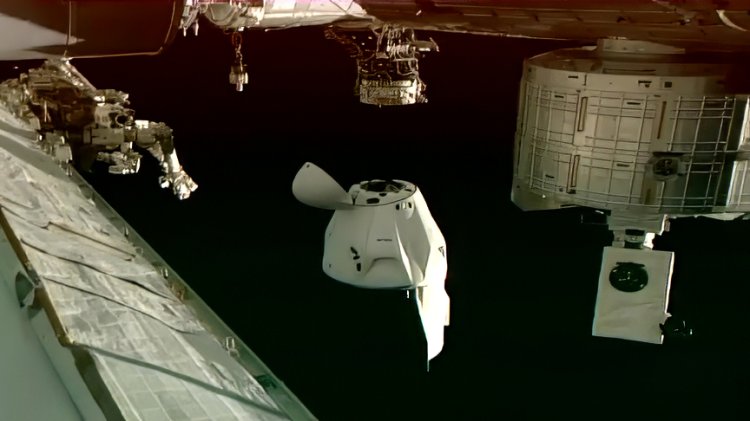
NASA’s Crew-11 astronauts aboard the International Space Station sealed the hatch of their Dragon Endeavour as they readied for an early return to Earth after a medical condition affected one crew member, agency officials said. The decision followed consultations with flight surgeons and mission managers who judged that returning to Earth for further evaluation was the safest course. NASA described the situation as non-emergent and reported the affected astronaut was in stable condition, but declined to identify the individual or disclose medical details, citing privacy protections standard for the astronaut corps.
The Crew-11 complement — U.S. astronauts Zena Cardman and Mike Fincke, Japanese astronaut Kimiya Yui, and Russian cosmonaut Oleg Platonov — launched to the orbiting laboratory in August and had been scheduled to remain through approximately May. Their unscheduled departure marks the first time in the space station’s 25-year history that a crew is returning months early specifically for a medical reason, highlighting the operational and human realities of long-duration missions. In preparation for departure, crew members completed routine pre-departure procedures, including checks of spacecraft systems and coordination with mission control. Flight teams adjusted undocking and reentry timing to align with favorable weather conditions at the planned splashdown site.
NASA stressed that the episode reflects established safety protocols and extensive crew training for medical contingencies in orbit. The agency said station operations are being managed to ensure continuity: other crew members remaining aboard will continue experiments, maintenance and scientific work, and managers expect minimal disruption to ongoing programs. NASA also indicated that an internal review will follow landing to examine the circumstances and any lessons for future missions, while reaffirming that astronaut health and safety are the highest priorities.
The early return underscores how medical readiness and rapid decision-making are integral to maintaining crew welfare during extended stays in microgravity. It also draws attention to the balance mission planners must strike between scientific objectives and the need to safeguard personnel. With the Crew-11 hatch closed and reentry preparations underway, attention has shifted to ensuring a safe return and to the review process that will inform protocols for dealing with health issues during future long-duration spaceflights.