Nigeria faces soaring hunger crisis
UN warns millions could lose food aid without new funding
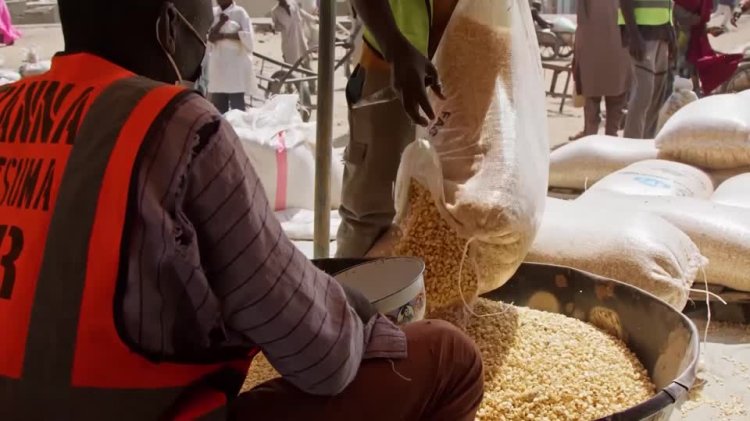
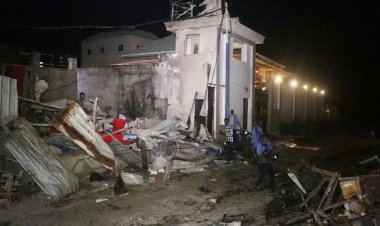
A sharp rise in militant attacks and shrinking humanitarian funding have pushed hunger in northern Nigeria to record levels, the U.N. World Food Programme (WFP) warns, with as many as 35 million people at risk of severe food insecurity in 2026 if emergency aid runs out. The WFP says the latest Cadre Harmonisé analysis records the highest level of acute food and nutrition insecurity in Nigeria since monitoring began. Violence throughout 2025 — including incursions by al-Qaeda-linked Jama'at Nusrat al-Islam wal-Muslimin and Islamic State West Africa Province (ISWAP) — has intensified displacement, disrupted farming and blocked trade routes, hitting rural communities hardest.
Nearly 6 million people in Borno, Adamawa and Yobe states lack basic minimum food supplies, and around 15,000 people in Borno are projected to face famine-like conditions. Child malnutrition rates are highest in Borno, Sokoto, Yobe and Zamfara. Close to a million people in the northeast currently depend on WFP assistance, but funding shortfalls forced the agency to scale down nutrition programmes in July, affecting more than 300,000 children; clinic closures have seen malnutrition worsen from “serious” to “critical” in the third quarter.
The crisis has been exacerbated by cuts in international aid, including a major reduction in U.S. foreign assistance under President Donald Trump, alongside funding cuts by other donors. WFP officials warn that the agency will deplete its funds for emergency food and nutrition support by December, leaving millions without assistance in 2026 unless new financing is secured. Humanitarian actors report suspension of food assistance for large populations and the closure of dozens of nutrition centres across conflict-affected areas, limiting access to care and treatment for children and other vulnerable groups.
Aid agencies and authorities are appealing urgently for donor support, stressing that failure to restore funding could deepen hunger, increase malnutrition and heighten displacement, with the potential to further destabilize a region already grappling with intensified insurgent violence.