

Madrid march condemns gender violence
Protesters urge urgent steps to curb gender violence
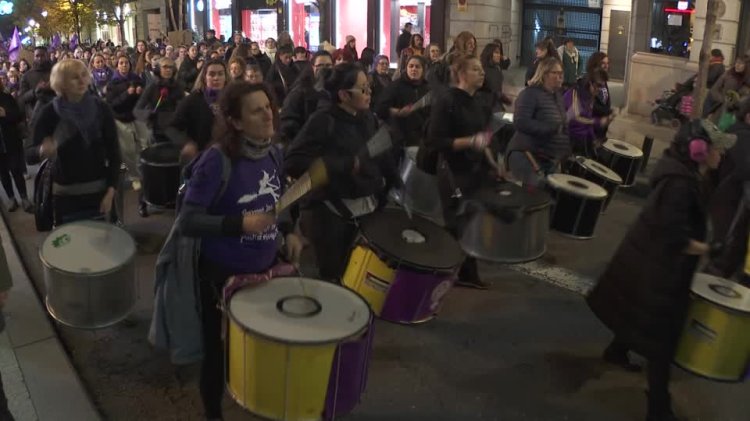
Thousands of people filled central Madrid to mark the International Day for the Elimination of Violence against Women, pressing for urgent, concrete action to curb gender-based violence. Marchers moved down Atocha street carrying banners reading “No más violencia” and “Ni una menos,” beating drums, singing and chanting as they held portraits of victims and placards demanding justice. Organisers said the demonstration formed part of a series of rallies across Spain and joined a global UN-backed campaign that frames the day as the start of an international period of activism against gender violence.
Speakers at the march accused authorities of insufficient response to a problem they say is worsening, denouncing political inertia and what some termed “negationist” rhetoric that downplays the scale of gender-based abuse. Protesters called for comprehensive measures including tougher prosecution of perpetrators, strengthened protection orders, expanded shelters and funding for counselling and rehabilitation services. They urged closer cooperation between police, social services and health providers to ensure early intervention and long-term support for survivors.
The human cost of the crisis was repeatedly invoked by activists and families attending the rally. They highlighted official figures showing 38 women killed by a partner or ex-partner so far this year and a cumulative 1,333 victims of gender-related killings since 2003. Organisers and NGOs warned that symbolic ceremonies are insufficient without sustained investment in prevention programs, public education campaigns to change attitudes, and enforcement of existing laws.
Campaigners also stressed the need to reach marginalized groups often excluded from mainstream services, including migrants, Roma communities and people in rural areas, where access to shelters and legal aid can be limited. Several speakers noted that economic dependency and social isolation increase vulnerability, and demanded policies that address root causes such as poverty, discrimination and unequal access to education and employment.
Local officials attended commemoration events and expressed solidarity, but activists insisted that visible support must translate into measurable policy changes and budgets. As the march concluded in central plazas, organisers reiterated calls for ongoing civic pressure and international solidarity to keep momentum, urging citizens and institutions to treat the fight against gender-based violence as a sustained, collective duty rather than a single-day observance.