Iran rejects talks under U.S. pressure
Tehran warns blockade tactics will not force negotiations
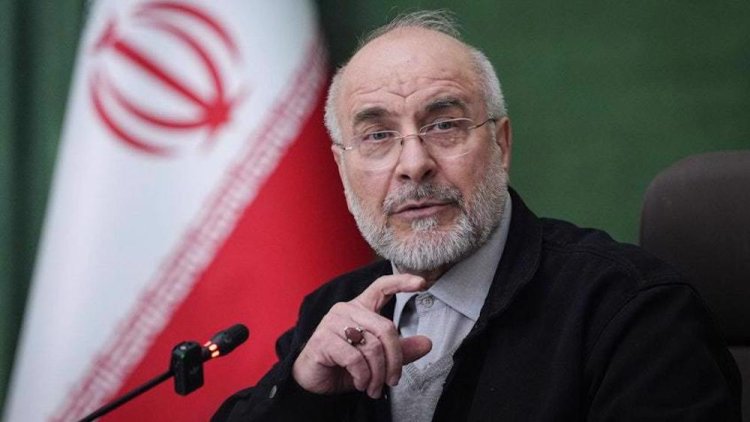
Iran’s parliament speaker Mohammad Baqer Qalibaf said Tehran will not negotiate with Washington “under the shadow of threats,” condemning President Donald Trump’s actions after what Tehran calls repeated U.S. ceasefire violations.
Qalibaf accused the U.S. of using a naval blockade and attacking an Iranian merchant vessel in the Sea of Oman to force capitulation, and warned that pressure tactics will not work, saying Iran has prepared “new cards on the battlefield.”
Iran’s military called the sea incident piracy and a breach of maritime conduct, while foreign ministry spokesperson Esmail Baghaei said the U.S. was not serious about talks and would face decisive retaliation if it repeats such actions.
President Masoud Pezeshkian likewise rejected U.S. ultimatums as coercion. Reports said U.S. and Iranian delegations were slated to meet in Islamabad under Pakistani mediation, but Pakistan’s army chief expressed concern that the U.S. naval blockade was undermining mediation efforts. Tehran maintains the war began with assassinations in February and points to a ten-point proposal that led to trilateral talks; it reopened the Strait of Hormuz to commercial traffic after a ceasefire but says U.S. blockade measures forced it to close the chokepoint again.