

Protests erupt in Quito over reforms
Demonstrators clash with police over labor cuts
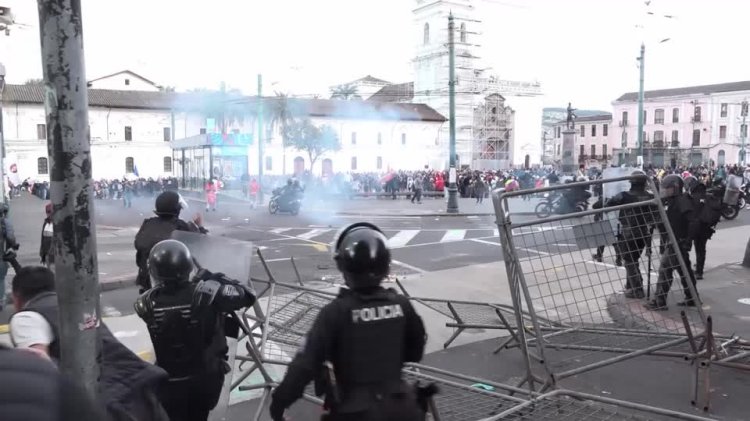
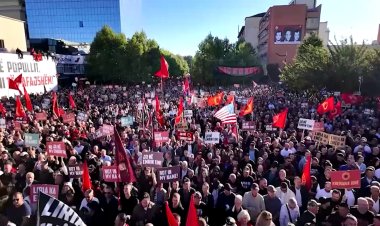
Mass protests erupted in Quito as demonstrators denounced President Daniel Noboa’s government over recent labor reforms, spending cuts and rising insecurity, intensifying political tensions in the Andean capital. Organized by unions and social groups—including the United Workers’ Front (FUT), the National Educators Union (UNE) and the Popular Front—the mobilization drew thousands who marched on central avenues, chanted “Noboa out,” and carried banners demanding improved public services and jobs. Leaders framed the protests as a response to policies they say have deepened unemployment and eroded access to medicine and healthcare.
Riot police deployed in force, and clashes broke out as officers used tear gas to disperse crowds. Protesters set small fires in streets and burned U.S. flags while pressing toward government areas; police reported detentions and treated several people for injuries and smoke inhalation. Organizers said demonstrations remained largely rooted in social and labor grievances but warned they would escalate into sustained nationwide actions unless the government reversed course.
A central flashpoint is the Ministerial Agreement MDT-2026-059, which unions contend weakens job stability by allowing the 40-hour workweek to be distributed in shifts of up to 10 hours across five days—measures critics say formalize precarious employment. Union leaders called for greater protections, faster hiring, and stronger enforcement of labor rights; indigenous and student groups joined to reiterate demands for social investment rather than austerity.
Government spokespeople defended the reforms as necessary to stabilize public finances and attract investment, arguing fiscal adjustments and budget discipline are critical amid economic pressures. Analysts note Ecuador faces mounting debt and inflationary strains, and the administration says restructuring is aimed at long‑term sustainability.
Protest organizers vowed continued mobilization, announcing plans for coordinated actions in other cities if officials do not open substantive dialogue. Indigenous leaders stressed that past concessions must lead to enforceable commitments and concrete policy shifts. Security forces maintained checkpoints around key institutions as authorities sought to prevent further escalation.