Protests spread across Morocco cities
Youth-led movement demands justice, better services and reform
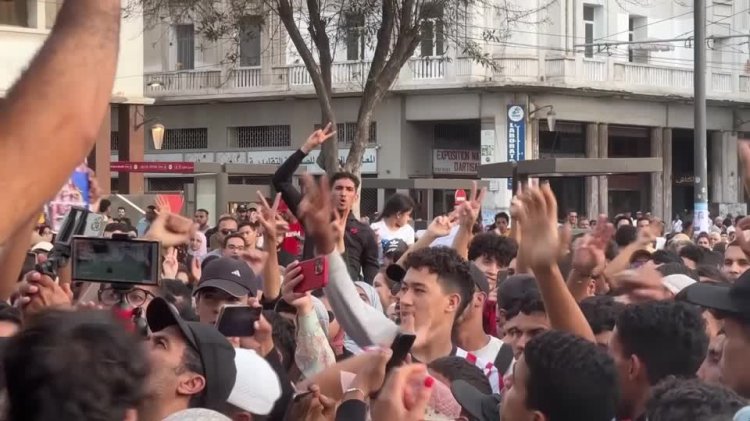
Crowds of protesters marched through downtown Casablanca, chanting against corruption and demanding social justice, better education and healthcare. The demonstrations are part of a wave of youth‑led unrest spreading across Morocco, organized by an anonymous group calling itself “GenZ 212” that coordinates actions on TikTok, Instagram and Discord.
Prime Minister Aziz Akhannouch said he is open to dialogue to end the protests, while security forces prepared for a sixth night of demonstrations that have increasingly turned violent. Since the protests began, hundreds of people have been arrested, dozens injured, buildings ransacked and cars torched. A fifth night of unrest produced the first reported deaths: authorities said security forces shot three youths armed with knives who were attempting to steal weapons and ammunition in Lqliaa, near Agadir.
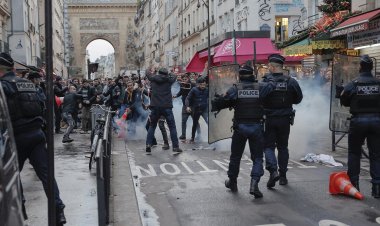
Although crowd sizes have not been massive, the unrest marks the worst street violence in Morocco since the Rif protests of 2016‑2017. Demonstrators blocked traffic, especially in Casablanca’s Korea district, where they staged sit‑ins, erected makeshift barricades and clashed with riot police who deployed tear gas. At least 21 arrests were made in the city, and witnesses reported chants calling for the resignation of Prime Minister Akhannouch and accusations of profiteering by officials.
The protests have also erupted in Rabat, Fes and Marrakesh, with young organizers using social‑media platforms to share videos, coordinate actions and broadcast grievances in real time. Authorities have responded by banning unauthorized gatherings and tightening curfews in several cities, yet the demonstrations continue to draw large numbers.
The government acknowledges the “legitimacy of some demands” but stresses that reforms will take time. Opposition parties are urging open dialogue with youth representatives to prevent further escalation. Observers warn that Morocco is experiencing one of its most significant waves of popular dissent in recent years, reflecting deep economic frustration and a generational demand for accountability and fairness.