U.S. President moves to unify AI rules
The order seeks a national framework to prevent conflicting state laws
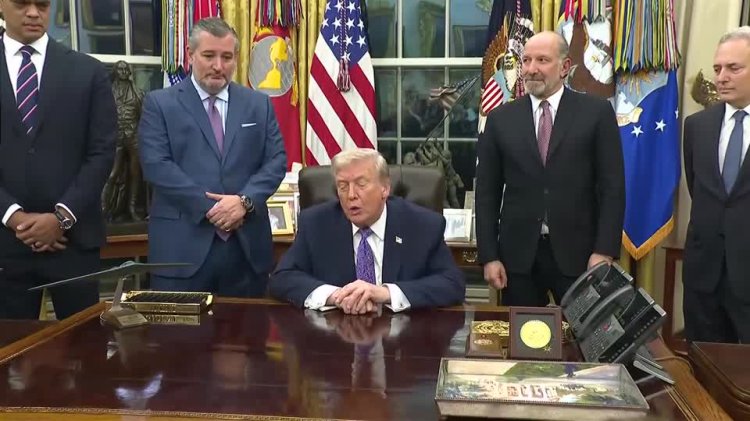
The U.S. president has signed an executive order directing federal agencies to review and potentially pre-empt state-level artificial intelligence regulations, saying a fragmented patchwork of laws threatens innovation and U.S. competitiveness. The directive orders agencies to identify state rules that affect AI development, deployment and commercial use and to explore whether existing federal authority or new policy proposals can limit conflicting or burdensome local regulations. The administration framed the move as creating a single national framework to avoid slowing technological progress and driving investment overseas.
Several states have recently enacted or proposed laws addressing data use, algorithmic transparency, consumer protections and AI applications in hiring, policing and surveillance. Supporters of state action argue it fills a regulatory vacuum left by Congress; critics say divergent rules create uncertainty for companies operating across jurisdictions. Business groups and major technology firms welcomed the order, saying clearer nationwide standards would reduce compliance costs and spur innovation, noting that navigating multiple state requirements has become a significant operational challenge.
Civil liberties organizations and some state officials condemned the directive, warning it could weaken protections for consumers and workers and strip states of the ability to respond quickly to local concerns. They cautioned that limiting state initiatives before robust federal safeguards are enacted could leave oversight gaps as AI systems become more embedded in daily life. Legal experts say the order is likely to face court challenges if the federal government seeks to block state laws absent new Congressional legislation.
The order does not immediately nullify existing state AI statutes but signals a shift toward federal dominance in regulating the sector. As debates over privacy, bias, accountability and economic strategy intensify, the directive sets up a broader political and legal contest over who should set the rules for artificial intelligence and how swiftly a national regulatory framework can be established.