

Asian markets tumble amid trade tensions
Stocks plunge as U.S.–China tariff threats spark fears of renewed trade war
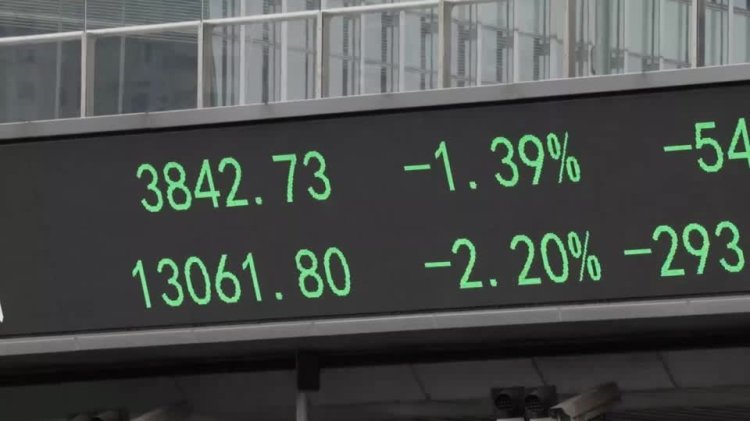
Asian markets fell sharply as renewed U.S.–China trade tensions rattled investors, triggering a broad selloff across the region. Major mainland indexes slid: the Shanghai Composite fell nearly 2% early in the session and the CSI 300 lost about 1.8%. Hong Kong’s Hang Seng plunged roughly 3.5%, with technology stocks hit particularly hard. Taiwan’s stock market tumbled about 2.8%, dragging heavyweight TSMC down more than 3%. South Korea’s KOSPI opened lower—down about 1.7% initially and off as much as 2.4% earlier—while India’s Nifty 50 and Sensex posted smaller declines amid the regional rout.
Markets reacted sharply after U.S. proposals including a potential 100% tariff on Chinese imports and tighter export controls on key software, measures announced following China’s move to tighten export rules on rare earth materials. The tit‑for‑tat escalation rekindled fears of a full‑blown trade war and pressured export‑oriented sectors across Asia, notably technology, semiconductors and autos.
Investors rotated into safe havens: gold extended gains as demand for refuge rose, oil prices softened on concerns over demand and risk appetite, and China’s bond futures strengthened. The yuan remained relatively steady as Beijing implemented steps to calm markets. Analysts warned that the selloff reflected not only immediate policy shocks but also underlying vulnerabilities—stretched equity valuations, tighter global liquidity and the prospect of further tariff announcements—which could keep volatility elevated in coming weeks.
Despite the sharp moves, some market watchers argued the escalation might increase diplomatic leverage and push both sides back toward negotiations, offering a potential pathway to stabilization if talks resume. Authorities in affected markets were monitoring flows and sectoral impacts closely, while investors weighed tactical shifts into defensive sectors and safe assets.
The episode underscores the sensitivity of Asian markets to geopolitical and trade developments and highlights how quickly policy measures can transmit through global supply chains and financial markets. Traders and institutional investors signaled heightened caution, noting that headline risks around trade policy and export restrictions will likely dominate market sentiment until clearer signs of de‑escalation or progress in negotiations emerge.