

Bogotá hosts anti-imperialism protest
Demonstrators rally outside U.S. embassy over policy
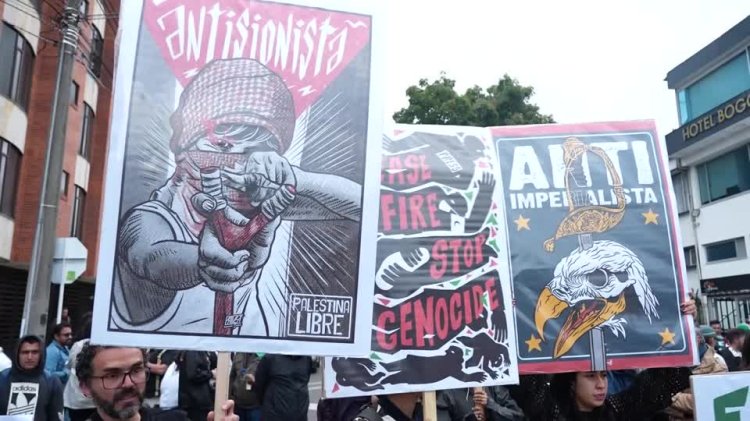
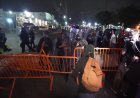
Protesters assembled outside the U.S. Embassy in Bogotá in a large “anti‑imperialism” demonstration denouncing what organizers described as sustained U.S. interference in Latin America. The rally, called by left‑wing groups, student activists and labor organizations, saw participants burn an effigy of President Donald Trump and an American flag, wave flags and beat drums while chanting slogans against imperialism, Zionism and genocide. Several placards expressed solidarity with Venezuela and support for Nicolás Maduro, with some reading “Freedom for Nicolás.” Speakers framed recent actions against Venezuela and broader U.S. policies—sanctions, military cooperation and political pressure—as assaults on regional sovereignty that demand collective resistance across Latin America.
Organizers and protesters argued the protest responded not only to specific incidents but to long‑standing strategies they say the United States has used to influence politics and resources in the region, citing concerns about control over Venezuela’s oil reserves. Demonstrators called on Colombian authorities to pursue a more independent foreign policy and urged solidarity with nations under U.S. sanctions or intervention, including Cuba. A number of posters depicted Trump in stark terms and accused U.S. policy of exacerbating violence and inequality.
Security around the embassy was reinforced: police, anti‑riot vehicles and barriers kept crowds at a distance, and some barriers were repurposed by demonstrators to display anti‑imperialist messages. Authorities reported the protest remained largely peaceful, with only minor disturbances when some tried to approach restricted areas; traffic in surrounding streets was disrupted for several hours but no serious injuries were recorded. The U.S. embassy did not immediately issue a statement. Colombian officials emphasized the right to peaceful assembly while underscoring legal obligations to protect diplomatic sites.
Observers say the demonstration reflects growing public unease in Colombia and the region over external influence amid economic hardship and political polarization. Analysts warn the protests underscore rising mobilization by social movements that seek to limit foreign intervention and press national governments to defend sovereignty, signaling continued tensions in regional diplomatic and domestic politics.