

Judge bars close-up filming of defendant
Court cites decorum breach and risk to fair trial rights
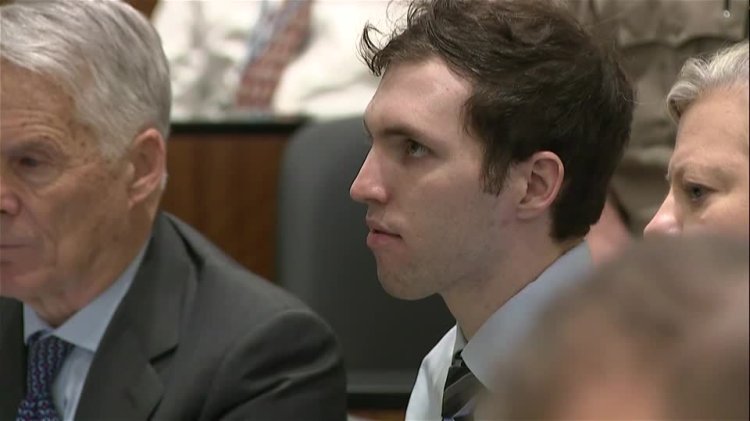
A Utah judge prohibited a court videographer from filming a defendant after finding that a recent close-up breached a decorum order and risked exposing privileged attorney–client exchanges. Judge Tony Graf determined the videographer had zoomed in on Tyler Robinson, accused in the fatal shooting of conservative activist Charlie Kirk, in a way that allowed lip‑readers to interpret conversations between Robinson and his attorney. The judge ordered that Robinson not be captured in any sweeping or close shot for the remainder of the hearing and said he could have held the cameraman in contempt for the earlier footage.
Defense counsel Michael Burt argued media coverage was shaping public perception by amplifying innocuous courtroom moments—such as a defendant speaking quietly with counsel or smiling—and transforming them into suggestive evidence of callousness. Burt warned that clips showing Robinson interacting with his lawyers were being repackaged as proof of a lack of remorse. Prosecutors maintain Robinson fired a single round from a rooftop that killed Kirk during a campus event and have charged him with seven counts, including aggravated murder, obstruction of justice for allegedly disposing of evidence, and witness tampering for asking a roommate to delete incriminating messages. Authorities have said they intend to seek the death penalty if Robinson is convicted.
Robinson remains in custody and has not entered a plea. At the same hearing his defense team filed a motion seeking to disqualify Utah County prosecutors, alleging a conflict of interest because a prosecutor’s daughter was present at the event where Kirk was shot; prosecutors countered that the claim is legally insufficient, noting the relative was one among many attendees and had no material knowledge of the incident. Judge Graf has not yet ruled on the disqualification motion.
The case has attracted intense public and media attention, prompting judges in prior proceedings to restrict some forms of recording to protect fair‑trial rights. Earlier orders barred filming of shackles and photographing the defendant while entering or leaving the courtroom. Court officials cited the need to balance transparency with safeguards against prejudicial publicity, especially where visual material could be misinterpreted outside the courtroom context. Further decisions on media access, the disqualification motion and other pretrial issues are expected as the proceedings continue.