

China boosts advanced manufacturing with AI
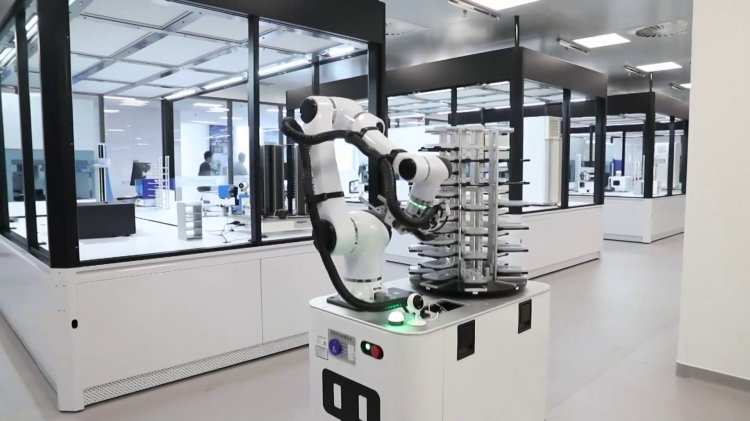
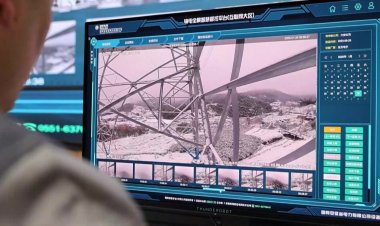
China intensifies focus on advanced manufacturing, stressing AI's critical role. Recent conferences highlight a strategic shift prioritizing intelligent factories, resilient, self-supporting industrial chains, strengthening manufacturing and technological autonomy. Vice-minister Xin Guobin affirmed prioritizing intelligent manufacturing and deeper AI integration. This involves smart factories, developing open-source and industry-specific AI models, and bolstering domestic manufacturing software and hardware. Premier Li Qiang urged closer AI-manufacturing collaboration, accelerating its application across all processes. Policy measures accelerate AI adoption, supporting industrial AI technologies, data, and intelligent transformation. A national plan aims to deploy large AI models across key industries: new materials, aerospace, pharmaceuticals, biotechnology, and semiconductors. By 2027, it targets 1,000 high-level industrial intelligent agents and 100 high-quality datasets. The MIIT released a plan to deepen industrial internet and AI integration, targeting improvements by 2028 and network upgrades for 50,000 enterprises. Despite ambitious plans, China faces hurdles. Experts point to hardware bottlenecks, reliance on foreign chips, software ecosystem challenges, and a shortage of high-quality Chinese-language training data for AI models. Companies like Huawei are developing domestic AI chips and computing architectures to address limitations and enhance technological independence. This national effort underscores China's determination to lead in industrial innovation.