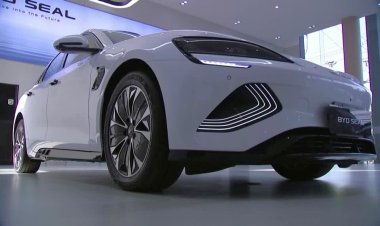
China's vehicle trade-in program boosts sales
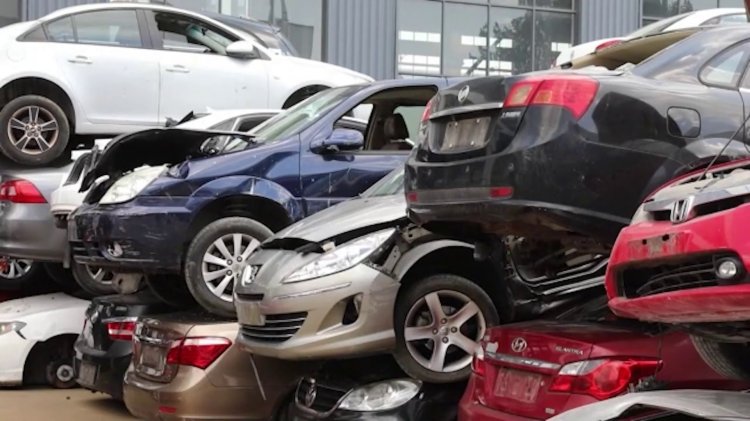
China's consumer goods trade-in program was highly active in the first half of 2026. The program stimulates domestic demand, green transition, and revitalizes consumption, replacing 3.707 million vehicles. The policy, launched 2024 and renewed 2026, subsidizes replacing older, less efficient items with new alternatives. It covers automobiles, home appliances, electronics, and e-bikes, upgrading consumer goods nationwide. Total sales from these trade-in programs in the first half of 2026 reached 1.1 trillion yuan (161.9 billion US dollars). This underscores the program's effectiveness in boosting market confidence and economic activity. 150 million consumers have benefited from these incentives, highlighting the policy's extensive reach. A key automotive trend is increased preference for new energy vehicles (NEVs). Their share among subsidized auto trade-ins rose to 65.4 percent in June. This led to a record NEV penetration rate of 62.4 percent in Q2 2026, accelerating China's shift towards sustainable transportation. Beyond stimulating spending, the program also aims to enhance energy efficiency, advance the circular economy, and reduce carbon emissions. Subsidies support products with higher energy or water efficiency ratings, aligning economic growth with environmental sustainability. The program is part of broader government efforts to expand domestic demand. Local governments tailor subsidies to regional needs, fostering emerging industries, and ensuring market responsiveness, driving industrial innovation and green transformation. The goal is to transform automobiles into continuous sources of consumer value, shifting industry competition from new-vehicle sales.