

Iran offers Hormuz reopening plan
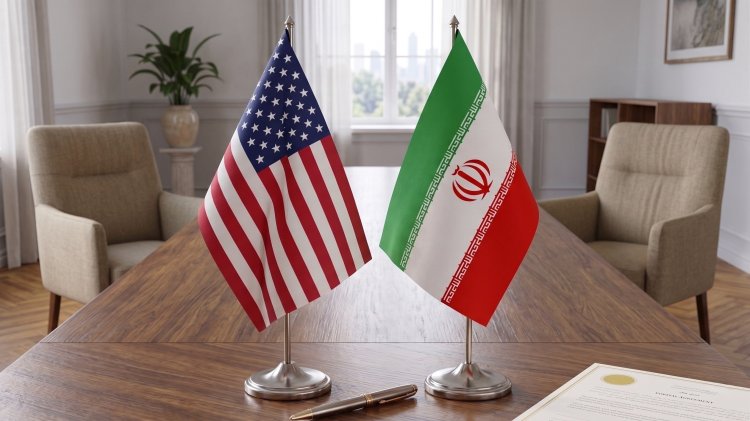
Tensions between the United States and Iran remain high as both sides signal willingness to negotiate while keeping military options open. Washington rejected an Iranian proposal to reopen the Strait of Hormuz, and Donald Trump said talks could continue while also warning that strikes against Iran are still possible.
Iranian Foreign Minister Abbas Araghchi said Iran is ready for war and diplomacy, and that the outcome depends on Trump. He said Tehran sent a plan through Qatari mediators to reopen the strait within seven days if Washington took reciprocal steps, and that the conditions were already part of earlier US commitments.
“If you ask us, there is no reason why we should go back to diplomacy,” Araghchi said. “But I am still trying diplomacy because I think we shouldn’t miss any chance for peace.”
Iranian officials said Washington has not formally relayed its rejection through mediating channels.
In the meanwhile Iranian President Masoud Pezeshkian said Iran no longer trusts negotiations with the United States after earlier talks were followed by attacks and sanctions. He said Israel and the US had attacked Iran from the airspace of Islamic countries, and that Iran targets bases used by US forces in the region because operations against it are launched from them. Tehran seeks nothing outside international law, he said, and responds only when others violate the rules.
He said mediators from Qatar and Pakistan are carrying messages between the two sides and urged a return to the earlier understanding reached in June. Under Iran’s proposal, the regional shipping route would reopen first, and broader talks would follow. The Strait of Hormuz remains one of the world’s most important energy routes, and any disruption has global consequences for oil prices and inflation.