

Tesla robotaxi rollout struggles
Delays, crashes and safety concerns challenge Tesla’s Texas robotaxi expansion
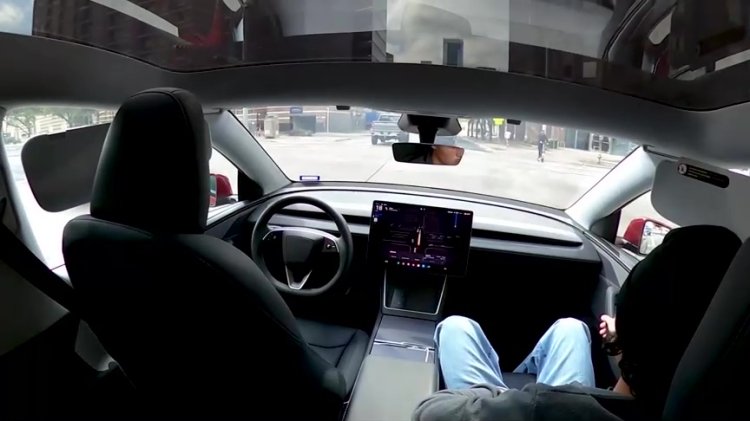
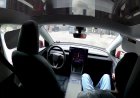
Tesla’s robotaxi rollout in Texas is facing major operational and safety challenges as the company expands limited trials in Dallas, Houston and Austin, reporting and tests indicate. Reporters and users experienced long waits—often exceeding 30 minutes—and frequent vehicle unavailability; in one instance a normally 20-minute Dallas trip took nearly two hours. The service remains confined to three cities despite CEO Elon Musk’s prior prediction that robotaxis would serve half the U.S. population by the end of 2025.
The pilot’s small fleet size contributes to inconsistent coverage: Austin operates roughly 50 Tesla robotaxis, compared with more than 250 Waymo vehicles, and many Teslas still carry human safety monitors. Since August, Tesla reported 15 crashes involving robotaxis in Austin to federal regulators and sought to keep related incident files confidential, according to police. Austin police have raised concerns after observing Tesla vehicles driving about 5 mph over speed limits; the department warned Tesla that programming vehicles to exceed limits is not acceptable even if the company argues it helps match traffic flow.
Tesla characterizes the program as experimental and says it is taking a “cautious approach” to avoid injuries or fatalities. Still, analysts and local officials question the readiness of a camera-based system to handle complex, real-world urban edge cases—pedestrians, construction zones and novel situations that human drivers can often reason through. Experts note that autonomous systems can struggle in scenarios they have not been explicitly trained on, and some university students and community members worry about job losses for human drivers.
Investors have heavily priced Tesla on the promise of scalable robotaxi revenue, making current operational shortcomings especially significant for market expectations. Regulators and transportation analysts continue to scrutinize performance and safety reporting as trials proceed; local authorities stress the need for transparency, clear operational rules and robust oversight. The Texas pilot highlights both technical progress in autonomy and the sizable gap that remains between demonstration deployments and reliable, large-scale commercial robotaxi networks. Tesla did not respond to requests for comment.