Gas Prices Soar in Germany
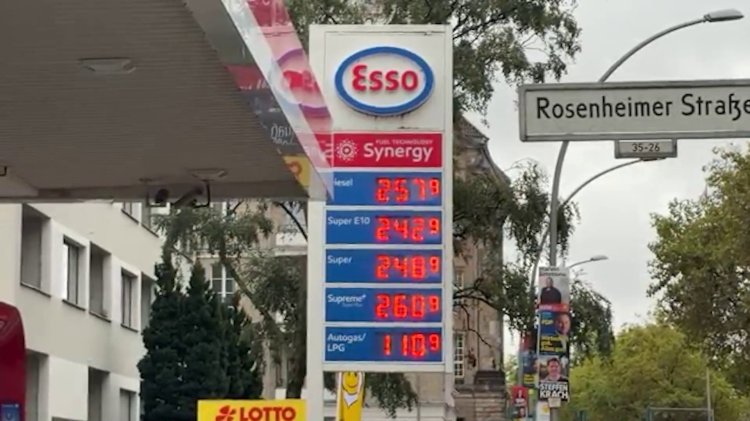
Germany faces an unprecedented surge in fuel prices, concerning households and businesses. The dramatic increase is attributed to fears of global oil supply disruptions, stemming from international factors like geopolitical volatility and logistical challenges, causing market instability. This translates into higher costs at the pump, impacting daily commutes and operational expenses for transport companies. For German citizens, rising fuel costs reduce disposable income, forcing reconsideration of travel and routines. Small and medium enterprises, operating on thin margins, are vulnerable to these increases. The diesel-reliant agricultural sector also faces substantial financial pressure. Economists warn sustained high energy prices could dampen economic growth, fuel broader inflationary pressures domestically, and threaten international competitiveness. Calls for government intervention to mitigate the impact are emerging. However, such measures are limited by the global nature of oil markets, where prices are determined by international supply and demand, not domestic policy. The situation highlights Germany's dependence on imported energy and challenges of energy security. As uncertainty over global oil supplies persists, Germans grapple with financial and economic implications. Relief may not be immediate, compelling individuals and policymakers to adapt to a new, more expensive reality for transportation. The coming weeks will be crucial in determining whether these fears subside or intensify, influencing prices and national economic stability.