

Guinea-Bissau expands presidential powers
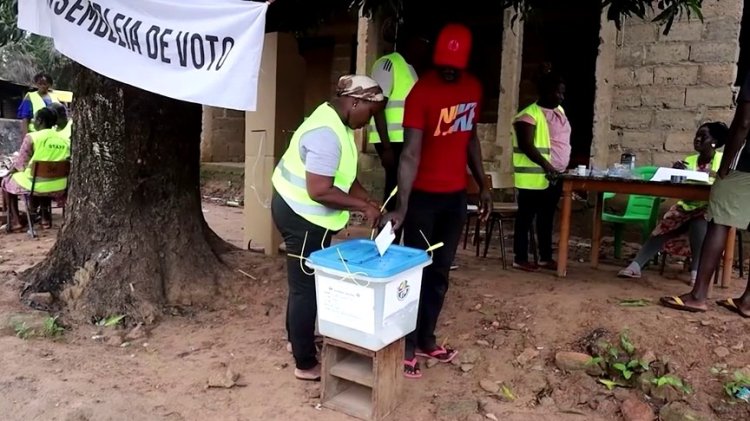
Guinea-Bissau approved a new constitution via referendum, expanding presidential powers. Provisional results show 70% support, 60% turnout. This is pivotal for the politically unstable West African nation. The constitution grants the president power to appoint/dismiss prime minister and cabinet, create/abolish ministries, and dissolve parliament in crisis, replacing the semi-presidential system. A military government organized the referendum after seizing power last November following a disputed election; this was the country's fifth intervention since 1980. The transitional government claims these changes aim for clearer authority and to address deadlocks. Opposition boycotted, arguing the process concentrated too much power in the presidency, potentially undermining democratic principles. The new constitution also reduces parliamentary seats from 102 to 65 and constituencies from 29 to 12. New presidential candidate requirements include five-year continuous residency and a financial deposit. These reforms precede December elections as the nation transitions to an elected government. Observers watch if changes bring stability or entrench centralized power.