Guinea vote hands Doumbouya landslide win
Provisional results show coup leader securing seven-year mandate
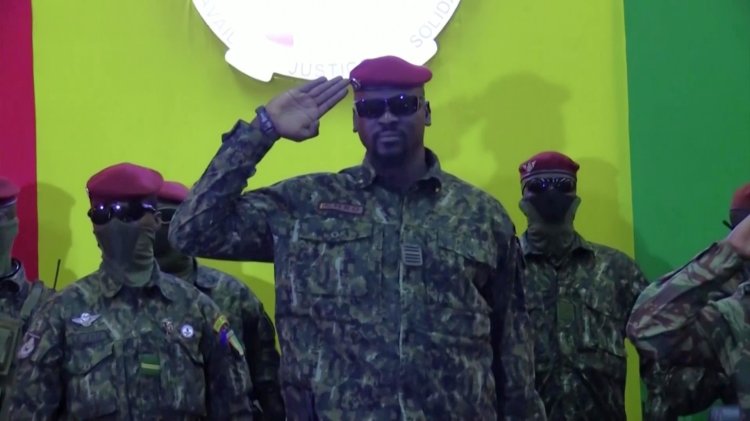
Provisional results from Guinea’s presidential vote show coup leader Mamady Doumbouya winning with 86.72% of the ballots, giving him an absolute majority that avoids a runoff and a seven-year mandate pending final validation by the Supreme Court, which has eight days to rule on any challenges. The outcome completes a formal transition from junta rule to an elected presidency more than four years after Doumbouya led the 2021 overthrow of Alpha Condé.
The result was widely expected: Condé and veteran opposition figure Cellou Dalein Diallo remain in exile, and Doumbouya faced a fragmented field of eight challengers. A constitutional change approved in a September referendum removed earlier post-coup rules barring junta members from running, clearing the legal path for his candidacy.
Doumbouya has emphasized economic priorities in his campaign, taking credit for advancing development of the country’s vast mineral assets—Guinea holds the world’s largest bauxite reserves and a recently launched, long-delayed iron ore project—and for shifting policy toward greater resource nationalism, a stance that has bolstered his popularity and echoes moves in neighboring Mali, Burkina Faso and Niger.
But the political environment under Doumbouya has prompted criticism from civil society and opposition groups, who say protests have been banned, press freedoms curtailed and opposition activity restricted in the run-up to the vote. Some opposition figures have signaled they will contest the results, arguing the campaign period was skewed in favor of the incumbent. International and independent observation of the poll was limited, and turnout figures were not immediately clear.
Analysts note the election fits a regional pattern of military leaders seeking electoral legitimacy after coups, and they warn the central challenge will be whether the new administration delivers improved governance, respect for civil liberties and economic gains for the broader population. The government did not respond to requests for comment as the country prepares for the Supreme Court’s review and the start of Doumbouya’s mandate.