IOC restricts women’s category entry
New rule requires gene test for eligibility
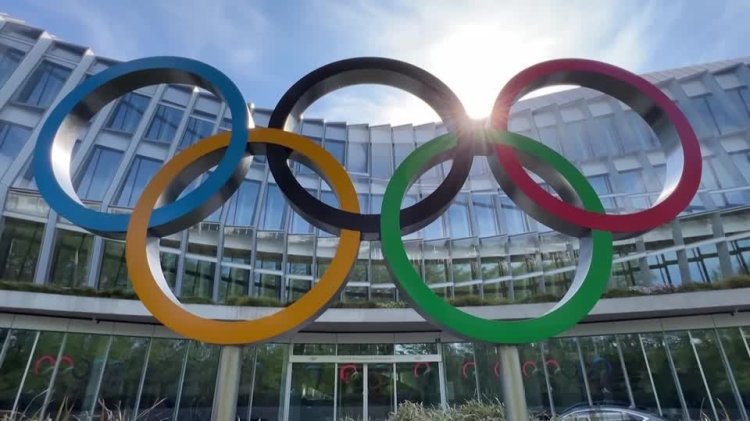
The International Olympic Committee has issued new eligibility guidelines effectively barridging transgender women from competing in the women’s category at the Olympics, citing protection of the female category and competitive fairness. Under the policy, athletes seeking entry to women’s events from the Los Angeles 2028 Games onward must undergo a one-time genetic test for the SRY gene—typically found on the Y chromosome—via saliva, cheek swab or blood sample. The IOC stated presence of the SRY gene signals “male sexual development” and thus an unfair advantage; it has not released new scientific studies to substantiate that claim.
The move revives a verification measure first introduced in 1992 and abandoned in the 1990s amid criticism and scientific concerns. The 2021 IOC guidance, which had adopted a more inclusive, sport-specific approach and left final decisions to international federations, is effectively supplanted by this stricter standard. The IOC said federations should align rules with the updated policy, but specifics may vary by sport.
The announcement drew immediate backlash from transgender advocates and some medical voices who called the policy unscientific and stigmatizing; critics point to recent research—including a February study in the British Journal of Sports Medicine analyzing over 2,900 transgender women after one to three years of hormone therapy—that found no sustained physical advantage. Supporters and some officials argue the measure safeguards fairness in women’s competition.
The decision intersects with recent political moves restricting trans athletes’ participation elsewhere, including U.S. executive actions. IOC President Kirsty Coventry defended the policy as aimed at protecting the female category and denied external political pressure. The IOC said the policy is part of an evolving process and that it will continue consultations with experts and federations; legal challenges and divergent national responses are possible as sports bodies adapt their eligibility rules.