

Protests in south Yemen after UAE exit
UAE pullout follows Saudi strike, widening rift

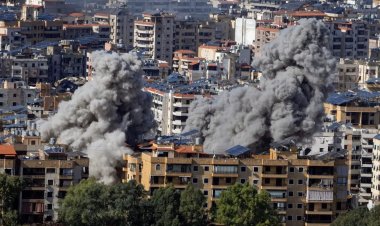
Protests erupted across southern Yemen after the United Arab Emirates announced it was withdrawing its remaining forces following a Saudi-led coalition airstrike on the southern port of Mukalla. The strike, which Riyadh said targeted a UAE-linked weapons shipment to southern separatists, drew an immediate and sharp response: the UAE said it had been surprised by the attack, denied the shipment contained weapons, and announced the voluntary end of its counterterrorism mission in Yemen. Yemen’s presidential council head, Rashad al-Alimi, called for Emirati forces to leave the country within 24 hours, intensifying tensions and prompting demonstrations in support of the separatist Southern Transitional Council (STC).
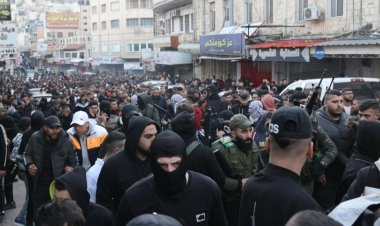
Witnesses reported crowds blocking roads and chanting in Aden and other southern towns, with many expressing anger and fear that the UAE pullout could destabilize local security and abandon allied forces that had helped counter rival groups. Local authorities and security forces largely contained the protests, but officials warned the withdrawal could produce a security vacuum and elevate risks for civilians and aid operations.
The Mukalla strike marked a notable escalation in a growing rift between Saudi Arabia and the UAE—two former partners in operations against Yemen’s Iran-aligned Houthi movement—whose strategic interests have diverged in recent years. Abu Dhabi has backed southern separatists seeking autonomy, while Riyadh has continued to support Yemen’s internationally recognized government. Saudi officials accused the UAE of pressing separatists to conduct operations approaching Saudi borders and characterized national security as a “red line,” reflecting deepening mistrust between the Gulf powers.
Analysts cautioned that the dispute could have wider regional and economic implications: both Saudi Arabia and the UAE are influential OPEC members, and their falling out could complicate coordination on oil output decisions. Within Yemen, observers warned the withdrawal might reshape local balances of power, embolden rival factions, and strain already fragile governance and humanitarian responses.
The UAE framed its decision as a reassessment of military engagement, saying it will pivot toward diplomatic, economic and security cooperation rather than a direct troop presence—after having largely scaled back its forces since 2019. Yemeni leaders, community figures and aid agencies appealed for restraint and dialogue, emphasizing that renewed instability could worsen humanitarian suffering.