Las Vegas tourism faces downturn
Visitor numbers and airline capacity fall as leisure travel weakens across the city
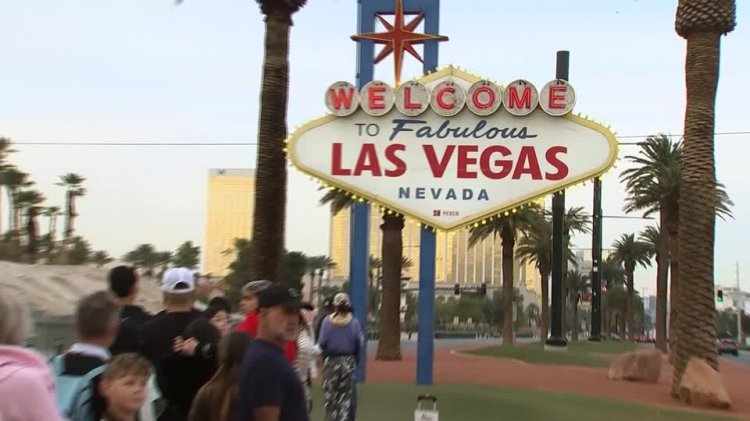
Las Vegas is seeing a marked softening in leisure travel as visitor numbers, hotel demand and airline capacity all decline, underscoring strains on the city’s tourism-dependent economy. The Las Vegas Convention and Visitors Authority reported about 3.1 million fewer visitors in 2025, a 7.5% drop — the steepest annual fall outside the pandemic era — while passenger traffic at Harry Reid airport fell roughly 6% for the year and 10.3% in December. The weakness is concentrated in leisure travel rather than conventions, with midweek business — crucial for covering hotel payrolls and keeping restaurants and casinos active — particularly thin.
Hotel operators have responded with price cuts, seasonal offers and added perks to attract midweek guests; coStar Group data show midweek revenue per available room fell about 11% in 2025. MGM Resorts reported weaker revenue and earnings at its Las Vegas properties in the fourth quarter and for the year, driven by outsized weakness at value-oriented properties. Airlines have trimmed schedules in line with softer demand: U.S. carriers planned about 7% fewer seats into Las Vegas for early 2026 versus a year earlier, and major Canadian carriers cut capacity by roughly 30% amid lower outbound travel from a key feeder market.
Economists link the pullback to a gap in spending power: higher-income travelers continue to book, while middle- and lower-income households reduce discretionary trips as inflation and add-on travel fees bite. Local wages remain below the national average even as inflation and unemployment are elevated, making Las Vegas’s large contingent of price-sensitive visitors more likely to defer travel. Political and immigration concerns were also cited by some international tourists as a deterrent, with anecdotal reports of visitors fearful of encountering immigration enforcement.
The shift toward weekend-heavy visitation is visible in on-the-ground patterns: self-parking and weekday foot traffic that once filled resort garages and casino floors now thin out Monday–Thursday. Tourism officials and executives note that the market is rebalancing after two straight record years and say ongoing investments in sports, entertainment residencies and large events aim to diversify demand. Still, economists warn that sustained cooling among affluent, market-linked spenders would raise broader recession risks, since top earners disproportionately drive discretionary outlays.