Nicolas Maduro pleads not guilty in New York
Venezuelan leader denies U.S. drug charges after Manhattan court appearance
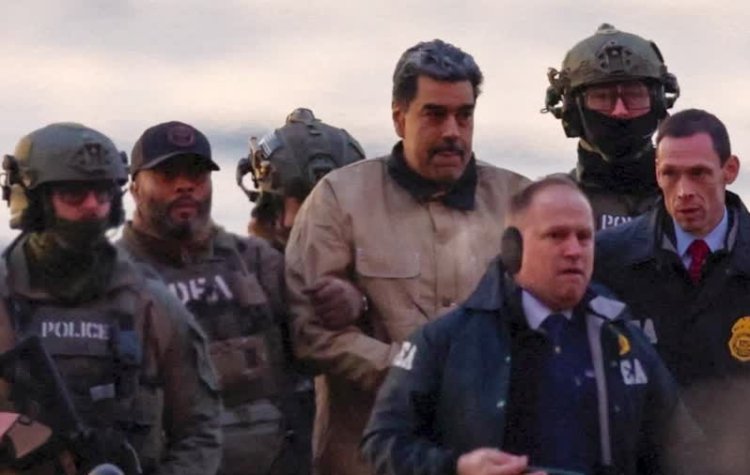
Toppled Venezuelan leader Nicolás Maduro pleaded not guilty in a Manhattan federal court to narcotics and related charges after his capture by U.S. forces sent shockwaves through diplomatic circles and left officials in Caracas scrambling. Maduro and his wife, Cilia Flores, both entered not-guilty pleas; the next hearing was scheduled for March 17. Appearing shackled and escorted from detention, Maduro declared his innocence through an interpreter and maintained he remains Venezuela’s president.
U.S. prosecutors accuse Maduro of heading a cocaine‑trafficking enterprise that collaborated with violent groups including Mexico’s Sinaloa and Zetas cartels, Colombian FARC dissidents and Venezuela’s Tren de Aragua gang. The indictment brings four counts: narco‑terrorism, conspiracy to import cocaine, and possession of machine guns and destructive devices. Legal experts note the statutes carry severe mandatory minimums—up to 20 years for some offenses and an additional 30‑year consecutive minimum when firearms or explosives are used in connection with drug trafficking—exposing Maduro to potentially decades in prison if convicted.
Prosecutors allege involvement in drug trafficking dating back to Maduro’s service in the National Assembly in 2000 and continuing through his roles as foreign minister and president. The case was first unsealed in 2020; an updated indictment released publicly added new details and co‑defendants, including Flores. U.S. authorities contend they have jurisdiction over drug imports irrespective of a defendant’s nationality.
Maduro’s defense counsel signaled plans to litigate vigorously, foreshadowing arguments over the legality of his capture and claims of sovereign immunity. Defense lawyers are expected to challenge detention circumstances and assert protections typically afforded to heads of state; legal observers, however, pointed out the U.S. State Department does not recognize Maduro as Venezuela’s legitimate leader, a factor that could blunt immunity arguments in U.S. courts.
Venezuelan officials denounced the charges as politically motivated and part of U.S. efforts to seize control of the country’s vast oil resources. The administration that pursued Maduro framed the prosecution as lawful and grounded in evidence, while commentators cautioned the case could set a far‑reaching precedent—opening the door to U.S. criminal actions against foreign leaders and prompting debate over extraterritorial jurisdiction, international law and diplomatic fallout.