


Snow brings Netherlands transport to halt
Amsterdam Schiphol flights and rail services disrupted as roads turn hazardous
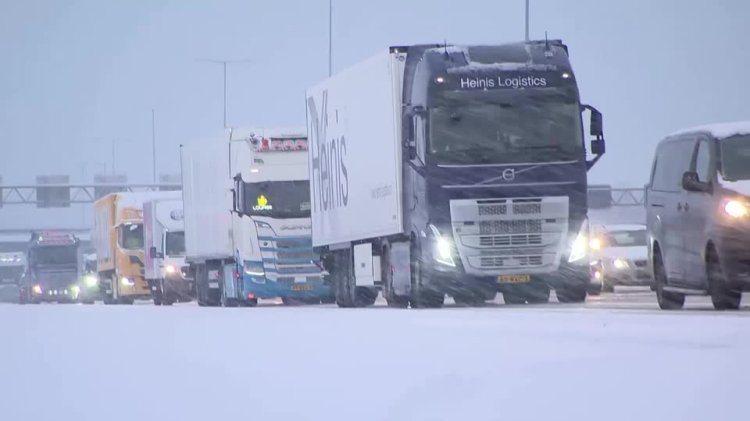
Snowfall across the Netherlands brought transport systems to a near standstill, with authorities urging people to stay home as heavy snow and freezing temperatures triggered widespread cancellations, suspensions and dangerous road conditions. Amsterdam Schiphol suspended incoming flights and canceled nearly 500 departures while runways and taxiways were treated, contributing to national knock-on delays. The Dutch rail operator NS halted services around Amsterdam and many regional rail routes were suspended or severely reduced, leaving commuters stranded and stations congested.
Road networks were hit hard: multi-vehicle collisions, jackknifed trucks and stranded cars were reported on major highways, prompting partial closures and long tailbacks as emergency crews responded to hundreds of incidents. Municipalities mobilized snowplows, gritters and road-treatment teams, but persistent snowfall and subzero temperatures hampered clearance efforts and maintained a high risk of black ice. Traffic management centers warned of severe congestion on principal corridors linking large cities; some routes remained impassable for stretches while recovery teams worked to tow vehicles and reopen lanes.
Public transport beyond trains also suffered: many bus services were delayed, rerouted or canceled, tram lines experienced interruptions, and regional ferry schedules were disrupted. Schools in several areas delayed opening or shifted to remote teaching, and businesses advised staff to work from home where feasible. Emergency services reported spikes in weather-related calls including traffic accidents, hypothermia cases and welfare checks for vulnerable residents, prompting local authorities to open temporary shelters and warming centers.
Airports nationwide recorded delays and cancellations as ground crews prioritized runway safety; passengers faced long queues, rebookings and accommodation issues. Logistics and supply chains were affected, with freight delays impacting supermarket deliveries and local markets, exacerbating short-term shortages of some perishable goods in affected regions.
Meteorological services warned that snowfall could persist through the week with particular intensity in northern and eastern provinces, and cautioned that temperatures remaining below freezing would prolong hazardous conditions and the potential for black ice even after visible snow clearance. Authorities advised drivers to avoid unnecessary journeys, fit winter tyres or chains where appropriate, keep emergency kits in vehicles, and check official travel updates before setting out.